
Power Essentials for the Modern Vaper
Navigating portable power choices can be as important as choosing the right e-liquid or device. This guide focuses on the practical and technical aspects that every modern Vape user and enthusiast should understand when selecting an e cigarette portable charger. Whether you are aiming for all-day off-grid reliability, fast top-ups between sessions, or a compact everyday carry solution, understanding capacity, current delivery, safety features, and real-world compatibility will help you make a smart choice.
Why a reliable charger matters
A dependable charging solution preserves device longevity, prevents unexpected downtime, and reduces the risk of battery damage. For many users a portable power bank or a dedicated e cigarette portable charger is more than convenience — it’s a safety measure that prevents the practice of unsafe charging or using incompatible chargers that can reduce cell life or cause hazardous conditions. This article covers the why and how, and highlights critical specs to prioritize.
Key features to evaluate
Capacity and real-world output
Capacity is often listed in milliamp-hours (mAh). For a typical pod system with a 500–1000 mAh internal cell, a 5,000 mAh power bank provides multiple top-ups, while 10,000–20,000 mAh units are better for extended travel. When choosing an e cigarette portable charger, look beyond the nominal mAh: consider conversion efficiency (usually 60–90% depending on voltage conversion and cable losses) and the number of full-device charges required per day. Reliable vendors also list watt-hours (Wh), which is useful when comparing across different voltage systems.
Output current and fast-charging
Output current (amps) and supported protocols (Quick Charge, Power Delivery, USB-C PD) determine how fast your device will refill. Many modern vape devices accept 5V/1A to 5V/2A inputs, but newer regulated mods with built-in batteries may support higher input rates. If you value speed, a PD-capable e cigarette portable charger with USB-C output will reduce downtime. Note: Always verify your device’s maximum charging spec to avoid pushing current beyond recommended limits.
Ports, passthrough charging and multi-device support
Multiple ports let you charge a mod and a phone simultaneously, or share juice with a friend. Passthrough charging (charging the bank while charging the device) is convenient but can stress the battery and is not recommended for long-term use on every cycle. If you rely on passthrough often, select units with robust thermal management and protective circuits.
Build, protection and reliability
Prioritize banks and chargers with overcharge, over-discharge, short-circuit, and temperature protection. Quality cells and certified safety circuitry reduce fire risk and extend lifespan. Durable housings and IP ratings (for water/dust resistance) are also valuable for on-the-go vapers who carry gear in pockets or backpacks.
Types of portable chargers suitable for vapers
- Compact power banks: Slim, lightweight, designed for pocket carry; ideal for stealth and short trips. Look for 5,000–10,000 mAh models with at least 1A–2A output.
- High-capacity power banks: 10,000–30,000 mAh units for long travel, group outings, or heavy device usage. They weigh more but offer multiple full charges.
- Dedicated vape chargers: Purpose-built chargers for removable 18650/21700 cells used in many mods. These allow balanced, safe charging for high-drain batteries and often include slots for multiple cells.
- USB-C PD chargers: Smaller chargers with modern PD protocol that can support rapid charging for devices that accept higher wattage input.
Compatibility and device-specific considerations
Vape ecosystems are diverse: pod systems, pen-style devices, and box mods all have different charging expectations. Pod systems often have integrated micro-USB or USB-C ports and charge slowly; for these, a simple e cigarette portable charger with consistent 5V output is adequate. Mods with removable cells might benefit more from an external dedicated battery charger and spare batteries than relying solely on power banks. When in doubt, consult your device manual for charging voltage and maximum current.
Practical buying tips
- Match capacity to use: estimate the number of charges you need per day and multiply by device battery capacity to estimate required mAh factoring conversion losses.
- Prefer USB-C and PD for future-proofing: more vendors adopt modern charging standards that are faster and more efficient.
- Check safety certifications: CE, FCC, RoHS, and if relevant, UN38.3 for shipping lithium batteries.
- Consider weight and form factor: a lump of capacity is only useful if you’ll actually carry it.
- Read reviews focused on battery retention and heat management: some inexpensive banks sag under load, reducing effective output.
Charging etiquette and battery care
For longer lifespan of both the portable bank and your device: avoid extreme temperatures, unplug once fully charged, and use appropriate cable quality. Avoid fully depleting lithium-ion cells regularly; partial cycles and moderate SoC (state of charge) levels typically improve longevity. When storing a power bank, keep it around 40–60% charged in a cool, dry place.
Travel and airline rules
When flying, the primary concern is batteries in carry-on vs checked baggage. Regulations vary, but typically power banks and spare batteries are allowed in carry-on with limits on watt-hour ratings (often 100 Wh or less without airline approval, 100–160 Wh with airline approval, and prohibited above that). Always check current airline and TSA or equivalent agency guidance before travel.
Common mistakes and how to avoid them
Using a cheap charger without protection, mixing mismatched batteries in mods, or relying consistently on passthrough charging can reduce battery life or cause safety incidents. Choose reputable brands, verify specifications, and if using removable cells, inspect for dents, tears in wraps, or signs of overstress.
Environmental and disposal considerations
Lithium-ion batteries must be recycled properly. Many cities provide e-waste collection points for small batteries and electronics. Disposing of batteries in household trash risks environmental damage and safety hazards; always seek local recycling solutions.
How to test a portable charger for vaper suitability
Basic in-field testing includes measuring charge cycles, tracking time to charge your device from 0% to 100%, and monitoring heat. Advanced users may test with USB power meters to verify voltage stability under load. If the bank maintains near-constant voltage and modest temperature rise while charging your device, it’s a reliable option.
Sample usage scenarios and recommendations
For a commuter with a single pod device: a compact 5,000 mAh bank with a USB-A port and 1–2A output will be discreet and enough for 1–3 top-ups. For festival-goers or multi-day travelers: a 20,000 mAh high-capacity bank with multiple ports and PD support will keep devices and phones charged. For mod users with removable cells: carry spare quality cells and a reliable external dedicated charger; power banks help but do not substitute for proper cell maintenance and rotation.
Accessory tips
- Carry short, high-quality cables (USB-C to USB-C or USB-C to micro-USB) to reduce voltage drop.
- Use cable organizers to prevent wear and accidental shorting of exposed connectors.
- Consider a protective sleeve for your power bank to prevent punctures or knocks.

Budget vs premium: where to spend
Premium models typically offer better thermals, more accurate capacity claims, higher quality cells (e.g., Samsung, LG, Panasonic), and advanced safety features. If you depend on your Vape or phone for daily work or travel, investing in a reputable mid-range to premium bank is often more cost-effective long-term than replacing cheap units frequently.
Shopping checklist
Before purchase, confirm: listed mAh and Wh, supported charging protocols (PD, QC), number and type of ports, weight and dimensions, manufacturer warranty, and user reviews for sustained output and heating behavior. If you use an e cigarette portable charger for removable cells, ensure correct slot sizing and smart charging algorithms to balance cells safely.
Maintenance and storage best practices
Maintain contacts clean, avoid moisture, and store power banks at partial charge. Update your expectation for battery aging: most lithium banks will lose 10–20% capacity after the first year depending on usage patterns.
Future trends
Expect more compact high-density cells, wider adoption of USB-C PD and GaN (gallium nitride) technology for efficient fast charging, and improved safety circuitry. Integration of smart features, such as app-based monitoring or battery health readouts, may become more common in dedicated e cigarette portable charger products targeted at enthusiasts.
 Vape Power Guide Best e cigarette portable charger Options for the Modern Vape User and Enthusiast” />
Quick start decision guide
Choose a compact 5,000 mAh bank for minimal carry, 10,000–15,000 mAh for daily reliability, and 20,000+ mAh for extended trips. For removable-cell mods, pair spare cells with a quality dedicated charger rather than relying solely on power banks. Always select units with clear safety certifications and robust user reviews.
The right portable charging approach balances capacity, portability, compatibility, and safety. Prioritize reliable brands and match specs to your actual device needs rather than impulse purchases based on capacity alone.

Checklist summary
- Capacity: match to device and use case
- Output: ensure adequate current and supported protocols
- Safety: overcharge, overcurrent, temperature protection
- Ports: enough ports and preferred connector types
- Certifications: CE/FCC/RoHS and clear manufacturer info
Conclusion
Selecting the best power solution for your vaping routine requires balancing form factor, technical specs, and safety. A thoughtful approach to choosing an e cigarette portable charger or power bank will keep your sessions uninterrupted, extend battery life, and reduce risks associated with improper charging. Whether you prefer the simplicity of a compact power bank for a pod-style device or the robustness of a high-capacity bank and external charger for advanced mods, the right combination depends on your daily habits, travel frequency, and device specifications.
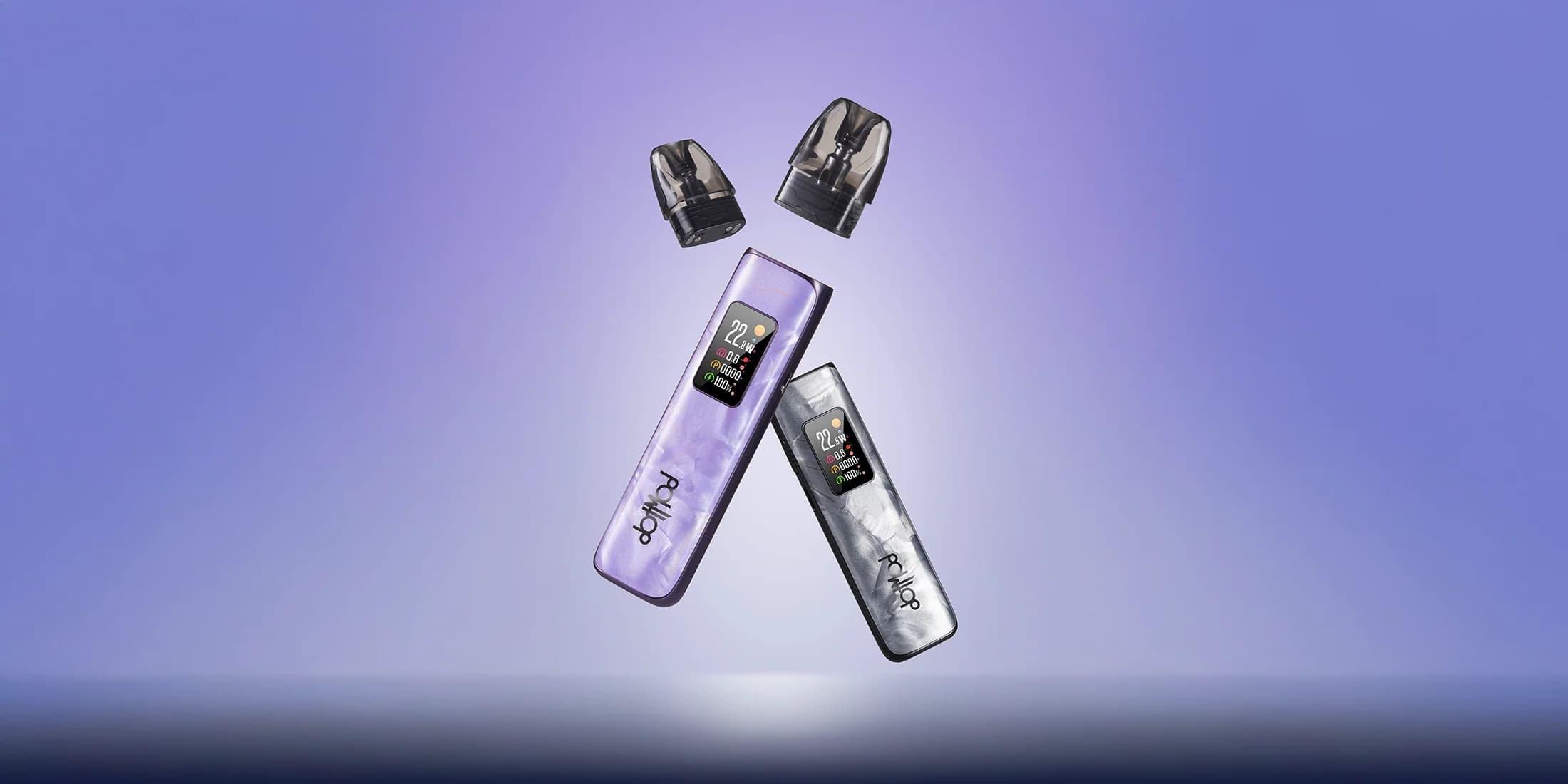
For continued reliability: keep records of battery performance after purchase, rotate cells if you use removable batteries, and always replace damaged batteries or chargers. The modern Vape user can enjoy both convenience and safety by making informed charging choices.
Additional resources
Look for manufacturer datasheets, independent battery tests, and community forums where users share hands-on performance metrics for specific power banks and dedicated chargers. These practical user reports often reveal real-world efficiency and thermal behavior that specs alone cannot convey.
FAQ
How many times will a 10,000 mAh power bank charge my pod device?
Rough estimate: divide the bank’s effective capacity by your device battery size. Expect conversion losses — assume 60–80% usable energy. For a 1,000 mAh device, a 10,000 mAh bank typically provides about 4–7 full charges depending on efficiency.
Is passthrough charging safe for vape devices?
Occasional passthrough is convenient, but constant use can stress both the bank and device batteries. Prefer occasional use and choose banks with proper thermal management if you rely on passthrough frequently.
Can I use a phone power bank for my mod?
Yes, many phone power banks work fine for integrated-battery devices. For mods with removable cells, a specialized cell charger is safer and more effective for maintaining cell health.
Choosing and maintaining a quality e cigarette portable charger is an investment in performance and safety — with the right knowledge, you can ensure uninterrupted enjoyment and prolong the life of your devices.