
IBvape Safety Update: Evidence, Context, and Consumer Guidance
In this comprehensive review we consider what independent reviews, public health bodies, and clinical reports reveal about vaping-related fatalities and serious lung injuries, and we explain what readers should know about IBvape consumer safety and the question many ask: how many people have died from e-cigarettes. This page is intended to be educational, to synthesize diverse sources, and to offer clear, practical advice for anyone who uses or considers using electronic nicotine delivery systems.
Why this analysis matters
Public concern about electronic devices that heat liquids has increased in recent years. Policymakers, clinicians, and users want to know whether devices sold by responsible manufacturers such as IBvape are implicated when people suffer severe outcomes, and specifically how many people have died from e-cigarettes. Answers require careful parsing of case reports, coroner findings, and epidemiological studies, because headlines can conflate different causes, and because the phrase “died from e-cigarettes” may mean different things in different reports.
Key definitions and scope
- Death directly attributable to device failure — fatalities clearly caused by an acute hardware defect or battery explosion.
- Death linked to acute lung injury (EVALI) — cases where inhalation of harmful substances led to respiratory failure.
- Death associated with long-term smoking or nicotine use — chronic conditions exacerbated by vaping.
When answering how many people have died from e-cigarettes, one must distinguish between these categories. Some deaths are due to illegal or contaminated additives rather than standard consumer e-liquids; other deaths are linked to pre-existing conditions where vaping may have been one of several contributing factors.
What the data actually show
Large reviews from health authorities indicate that verified deaths directly caused by legally purchased, properly used e-cigarette devices are rare. During the 2019 outbreak of e-cigarette, or vaping, product use–associated lung injury (EVALI), most confirmed fatalities were later associated with vitamin E acetate in illicit THC products rather than with commercially produced nicotine e-liquids. However, isolated incidents involving device malfunctions or contaminated products have been reported across different regions.
To provide context regarding how many people have died from e-cigarettes, consider these patterns:
- 2019 EVALI outbreak: dozens of deaths in multiple countries, strongly linked to vitamin E acetate in illicit products.
- Battery/explosion incidents: a small number of fatalities and many injuries tied to misuse, modification, or faulty batteries.
- Chronic risk comparisons: long-term harms from sustained nicotine use carry different mortality patterns than acute vaping injuries.
Why precise counts are challenging
Official tallies vary because reporting systems differ by country, coroner determinations take time, and overlapping causes complicate attribution. For example, a person with advanced heart disease who vapes and then dies of cardiac arrhythmia may be recorded differently depending on the investigator’s judgment of causality. That ambiguity is central to the confusion around how many people have died from e-cigarettes.
IBvape’s response framework: safety, transparency, and product stewardship
Companies focused on quality such as IBvape typically emphasize three pillars: rigorous manufacturing controls, transparent ingredient disclosure, and active post-market surveillance. When consumers ask IBvape about incidents and fatalities, responsible brands explain investigation steps, including cooperation with regulators, voluntary product holds if needed, and communication of findings to consumers and healthcare professionals.
IBvape-style practices that reduce risk include:
- Third-party testing for contaminants and heavy metals.
- Battery safety guidance and strict packaging standards.
- Clear labeling and accessible ingredient lists for e-liquids.
- Rapid adverse-event reporting and collaboration with public health agencies.
How consumers can interpret risks
When evaluating how many people have died from e-cigarettes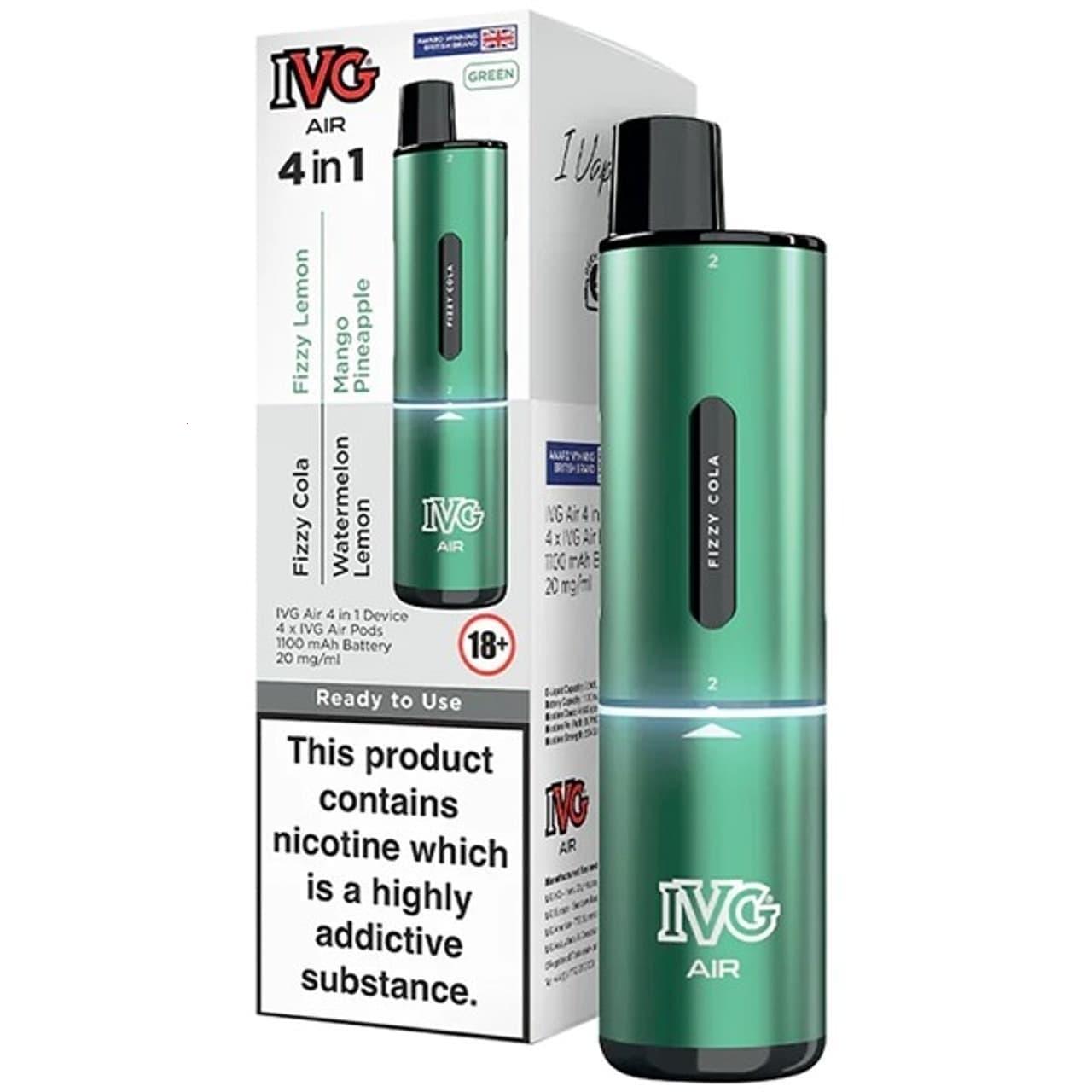 and what that means for personal safety, follow a practical, evidence-based checklist:
- Purchase from reputable vendors with traceable supply chains.
- Avoid illicit or modified cartridges, especially those containing THC unless obtained through regulated channels.
- Follow battery hygiene: use manufacturer-recommended chargers and avoid extreme temperatures.
- Report adverse effects to local health authorities and seek immediate care for breathing problems or chest pain.
Common clinical presentations that have raised alarm
Severe cases related to vaping historically presented with cough, chest pain, shortness of breath, and hypoxia. Many hospitalized patients required mechanical ventilation. Understanding these clinical signs helps users and clinicians respond quickly when a vaping-associated illness is suspected.
How to respond if you suspect a vaping-related emergency
If someone using an electronic nicotine delivery device develops sudden respiratory distress, call emergency services immediately. Provide details about products used: flavor, nicotine/THC content, brand (e.g., IBvape if applicable), and any recent changes. Rapid reporting improves public health knowledge about how many people have died from e-cigarettes and why.
Regulatory context and public health messaging
Regulators aim to protect consumers by banning adulterants, setting manufacturing standards, and demanding child-resistant packaging. Public health messages emphasize that while vaping may be less harmful than combustible tobacco for some adults trying to quit smoking, it is not risk-free — and the uncertainty about long-term outcomes makes ongoing surveillance critical.
Comparing absolute and relative risk
Understanding statistics requires care: the number of deaths directly attributable to e-cigarettes is small relative to annual deaths from combustible tobacco, but any preventable fatality is important. For policy and personal decisions, ask: does the device meet regulatory standards? Are there safer alternatives? Does quitting nicotine entirely offer the best long-term outcome?
Misconceptions and media framing
Headlines that ask “how many people have died from e-cigarettes” can lump together different phenomena. Clarifying language matters: deaths from illicit additives differ from deaths from standard consumer devices; deaths associated with long-term nicotine exposure are not the same as acute device-related fatalities. Consumers should look for nuanced reporting and official sources.

Case examples (anonymized summaries)
Example A: A cluster of severe lung injuries traced to unregulated THC carts with vitamin E acetate; multiple fatalities reported — an example of adulterant-linked harm rather than regulated e-liquid failure. Example B: An isolated battery explosion caused fatal trauma in an improperly modified device. Example C: A person with multiple comorbidities who vaped and later died; autopsy suggested mixed contributing factors. These examples show why determining how many people have died from e-cigarettes is complex.
Practical tips for safer use
If a consumer chooses to use vaping products, these pragmatic steps reduce risk: buy verified products, avoid black-market cartridges, follow manufacturer charging instructions, store batteries safely, keep devices clean, and seek medical advice for persistent respiratory symptoms. Brands like IBvape often publish safety guides and FAQ resources to help users minimize harm.
How manufacturers and retailers can help

- Maintain batch-level traceability and QC testing.
- Provide clear usage warnings and battery safety instructions on packaging and online listings.
- Encourage and facilitate adverse event reporting.
Data transparency: why reporting systems matter
National surveillance systems and adverse event databases are essential to answer the query how many people have died from e-cigarettes. Improved coding, standardized case definitions, and timely publication of investigations will enhance public understanding and guide policy. Consumers can support this by reporting problems and retaining product samples if a health incident occurs.
Where to find reliable information
Trust organizations with expertise in tobacco control, respiratory medicine, and product safety. Government health departments, academic publications, and independent laboratories provide vetted evidence. For company-specific concerns, look for transparency reports and third-party lab certificates when evaluating brands such as IBvape.
Balancing harm reduction and precaution
For adults who smoke, switching to regulated nicotine delivery products may reduce exposure to combustion-related toxins. However, for youth, pregnant persons, and non-smokers, the precautionary principle applies: avoid nicotine products. Clear messaging around who may benefit and who should avoid vaping helps reduce misuse and prevent tragedies that feed questions about how many people have died from e-cigarettes.
Summary and practical takeaway
The short answer to public queries about IBvape and how many people have died from e-cigarettes is that verified deaths directly attributable to properly manufactured and used commercial e-cigarette products are uncommon, but not impossible. Many serious cases have involved adulterated products, illegal modifications, or underlying health vulnerabilities. The best consumer actions are to use trusted sources, follow safety recommendations, and report adverse events promptly so regulators and manufacturers can act.
Resources and next steps
Consumers should visit official health authority pages for updates, check manufacturer safety pages, and consult healthcare professionals about nicotine cessation options. If you are a seller or manufacturer, commit to transparency and continuous product monitoring to reduce incidence and to clarify the true answer to how many people have died from e-cigarettes over time.

Call to action
If you experience breathing difficulty, severe chest pain, or sudden illness after using any vaping product, seek immediate medical attention and preserve product packaging. Report incidents to local health departments — timely data improves the accuracy of counts and helps all stakeholders understand and reduce risk.
Final note: This synthesis aims to be balanced and evidence-oriented: it neither underplays risks nor inflates rare events. For brand-specific safety concerns, check independent lab testing and company transparency statements — reputable makers such as IBvape often publish detailed safety information and can be a source of product-level data to inform consumer decisions about risk and benefit.
FAQ
- Q: Have many people died because of regulated e-cigarettes?
- A: Verified deaths specifically attributable to properly manufactured, regulated e-cigarette products are very uncommon; many documented fatalities involved illicit or contaminated products, misuse, or other contributing health factors.
- Q: How can I reduce the risk if I use vaping products?
- A: Buy products from reputable brands, avoid black-market cartridges, follow battery safety guidance, and seek help if you have respiratory symptoms. Report adverse events to authorities.
- Q: Should smokers switch to vaping?
- A: Some adult smokers may reduce harm by switching to regulated nicotine products, but quitting nicotine entirely is the best health option. Discuss options with a healthcare provider.