
Understanding vaping, health signals and practical choices
This long-form guide explores whether inhaled aerosols are safe, how to think about risks, and what a brand-focused user might expect. Readers often search for IBvape information together with the question are e cigarettes bad for your lungs; this article addresses both topics with balanced evidence, harm-reduction context, and actionable steps. It is written for curious consumers, caregivers, and professionals who want to separate marketing from biology while keeping product-awareness in mind.
Quick summary for time-pressed readers
Short answer: the question are e cigarettes bad for your lungs cannot be answered with a single yes/no. Relative risks depend on ingredients, device quality, frequency of use, user history, and alternatives available. Brands such as IBvape can matter for manufacturing standards, but the core issue is constituents in the aerosol and patterns of use.
What e-cigarettes deliver to the lungs?
Whether labeled as vapes, e-cigarettes, or pod systems, modern devices heat a liquid to create an inhalable aerosol. Typical components of that aerosol include:
- Nicotine — a highly addictive stimulant that affects the cardiovascular and nervous systems; it also influences respiratory health indirectly through inflammation and changes to immune function.
- Propylene glycol (PG) and vegetable glycerin (VG) — solvents that carry flavors and nicotine. Both are generally recognized as safe for ingestion, but inhalation leads to different airway exposures.
- Flavoring chemicals — some are safe for food but not for inhalation; diacetyl and related compounds have been linked to bronchiolitis obliterans (“popcorn lung”) in occupational settings.
- Thermal degradation products — heating can create aldehydes (e.g., formaldehyde, acrolein) and other irritants that stress airway tissue.
- Ultrafine particles and metals — devices and coils can release ultrafine particles and trace metals (nickel, chromium, lead) that deposit deep into the lungs.

Collectively these exposures can cause inflammation, oxidative stress, and changes in lung defense mechanisms.
Clinical signals and epidemiology
Medical literature reports cases of vape-associated lung injury and more subtle functional changes. An acute outbreak of severe lung injuries (EVALI) in 2019 linked many hospitalizations to contaminated or illicit THC cartridges containing vitamin E acetate; this episode highlights how unregulated products magnify risk. Beyond acute events, cross-sectional and longitudinal studies show associations between vaping and increased respiratory symptoms (wheeze, shortness of breath) and markers of inflammation, though long-term comparative data versus combustible cigarettes are still evolving.
Comparing risks: vaping vs smoking
For people who already smoke cigarettes, switching completely to e-cigarettes typically reduces exposure to many combustion-related toxicants. Public health authorities in some jurisdictions describe vaping as a less harmful alternative for smokers unwilling or unable to quit by other means. However, for non-smokers, especially adolescents, initiating nicotine via e-cigarettes introduces new health risks and addiction potential. Therefore, the risk-benefit calculus depends on prior smoking status.
How product quality affects risk
The manufacturer’s design and quality control influence emission levels. Device temperature, coil materials, battery regulation, and e-liquid purity all matter. A reputable brand that adheres to testing standards and transparent ingredient sourcing can reduce avoidable harms. That said, no brand can eliminate intrinsic risks caused by inhaling aerosols. If you search for IBvape as part of your product research, look for third-party labs, Certificates of Analysis (COAs), and clear manufacturing practices rather than marketing claims alone.
Practical harm-reduction strategies
Whether you’re a current smoker considering a transition or a vaper aiming to minimize harm, consider these practical steps:
- Prioritize cessation: the safest option for lung health is to stop inhaling nicotine aerosols entirely.
- If quitting nicotine is not yet possible, switching completely from cigarettes to regulated e-cigarettes may reduce exposure to combustion products.
- Choose lower-nicotine concentrations if it helps reduce frequency of use; avoid high-strength products that encourage deep, frequent inhalation.
- Favor devices with temperature control and reliable batteries; avoid makeshift coil assemblies or damaged devices.
- Avoid illicit or modified cartridges and suspect flavor pods; these are a frequent source of harmful additives.
- Prefer vendors offering transparent lab testing and ingredient lists; ask for COAs that list solvents and any contaminants.
- Consult healthcare support for structured quitting programs, including nicotine replacement therapy, counseling, and medications where appropriate.
Can a brand like IBvape offer safer alternatives?
Brands can reduce risk by investing in engineering, quality control, and clear labeling. When evaluating whether IBvape or any other maker offers a “safer alternative,” use objective criteria: third-party chemical analysis of aerosols, manufacturing audits, child-safe packaging, and documented compliance with regional regulations. Even with strong standards, remember that “safer” is relative; inhaling aerosols carries inherent risks that only complete cessation avoids.
Myth-busting and nuanced truths
There are misconceptions that must be corrected:
- Myth: Vaping is harmless water vapor. Reality: The aerosol contains solvents, nicotine, flavorings, and degradation products that interact with lung tissue.
- Myth: All e-liquids are equivalent. Reality: Composition varies widely; unregulated, black-market, or artisanal liquids often carry higher risk.
- Myth: Low heat = no toxicants. Reality: Even moderate heating can form aldehydes and small particles; device design and coil condition influence emissions.
Signs of lung injury to watch for
Seek medical attention if you experience persistent cough, chest pain, difficulty breathing, unexplained fever, or rapid worsening of respiratory symptoms—especially if you simultaneously use liquids or cartridges of unknown origin. Be explicit with clinicians about any vaping or smoking history, as this information can inform diagnostic tests and treatment.
Regulatory landscape and consumer guidance
Regulation varies globally. Some jurisdictions tightly control product standards and flavors; others allow wide market variability. From a consumer perspective, prioritize: transparency, lab-tested products, clear nicotine labeling, and credible retailer reputation. If considering IBvape products, balance marketing language with documented testing and independent reviews.
Special populations
Certain groups face greater risk: adolescents, pregnant people, and individuals with pre-existing lung disease should avoid e-cigarette use. Nicotine exposure during adolescence affects brain development; pregnancy-related nicotine exposure can harm fetal development. For people with asthma, COPD, or other chronic respiratory conditions, inhaled aerosols may exacerbate symptoms.
Steps for researchers, clinicians, and policymakers
Ongoing priorities include standardized emission testing, long-term cohort studies, surveillance for new chemicals, and policies that prevent youth access while allowing adult smokers access to regulated alternatives. Clinicians should incorporate pragmatic harm-reduction counseling and support access to proven cessation interventions.
Balanced messaging for individuals
If you are trying to decide based on searches that pair IBvape and the question are e cigarettes bad for your lungs, remember: product selection, usage patterns, and previous smoking history shape your personal risk profile. The pathway to the best outcome often combines behavioral support, minimizing exposure, and choosing regulated options if complete abstinence is not immediately achievable.
Conclusions and practical takeaways
Summarizing the main points:
- The aerosol from e-cigarettes contains chemicals and particles that can affect lung health.
- For smokers, switching to regulated IBvape-style products can reduce exposure to combustion-derived toxicants, but it is not risk-free.
- For non-smokers, especially youth, initiating vaping adds new health risks and should be avoided.
- Quality, transparency, and regulatory compliance matter — prefer tested products and avoid illicit cartridges.
- When possible, aim for nicotine cessation using proven medical supports.
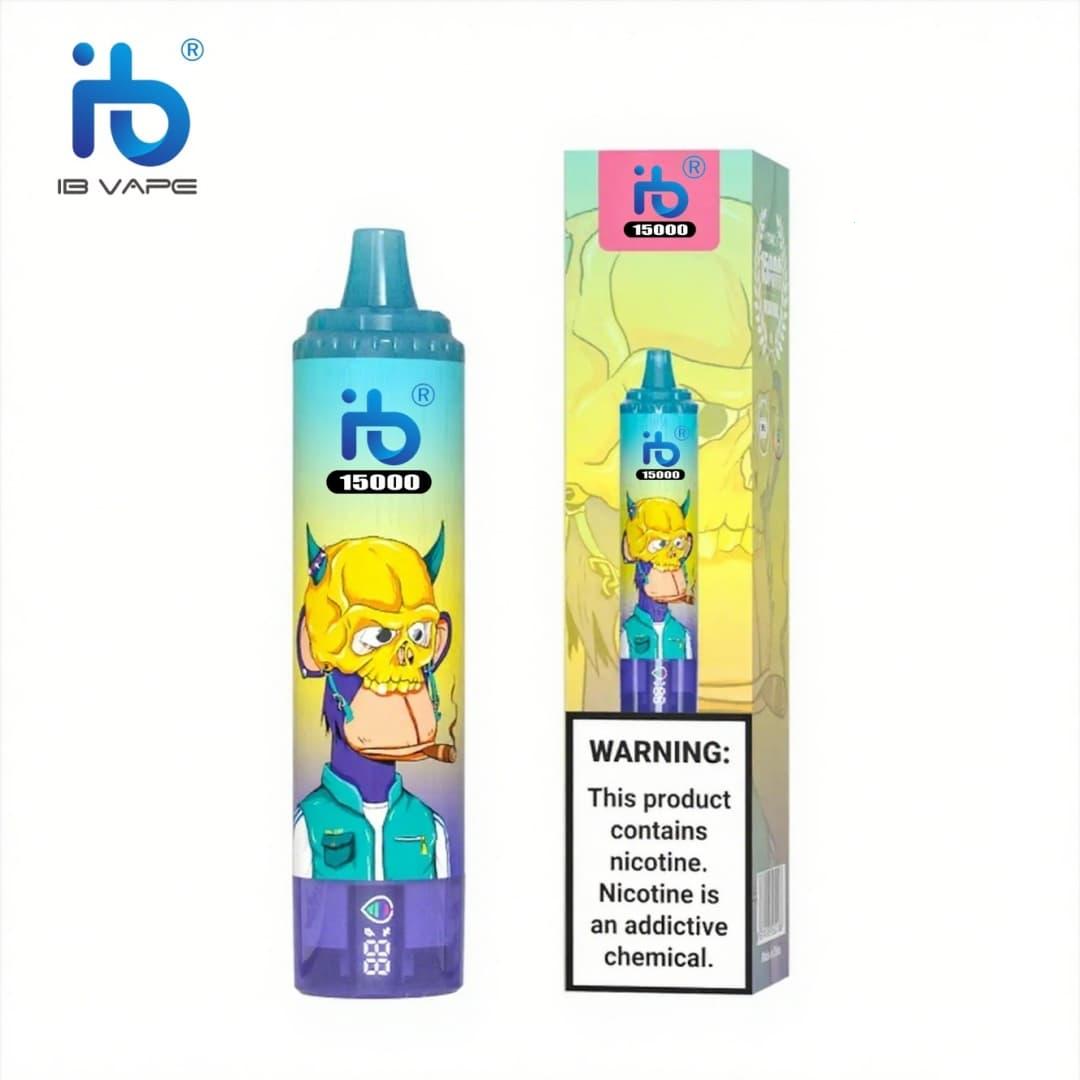
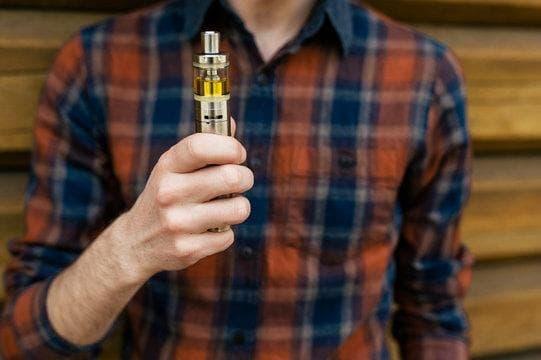 IBvape offer safer alternatives” />
Additional resources
For further reading, look for peer-reviewed reviews on aerosol chemistry, public health statements from respiratory societies, and up-to-date governmental guidance. Always consult healthcare professionals for personalized medical advice.
SEO note: this article repeatedly emphasizes both the product name IBvape and the common inquiry are e cigarettes bad for your lungs to help users find high-value information on product quality, health impacts, and safer use. Proper keyword usage appears in headings and emphasized spans to align with discovery needs while keeping the content informative and user-centric.
Disclaimer: This content is informational and does not replace medical advice; it summarizes public findings and harm-reduction principles rather than endorsing any specific product.
FAQ
Frequently asked questions
- Q: If I switch completely from cigarettes to an e-cigarette, will my lung health improve?
- A: Many biomarkers and exposure measures improve when a smoker switches completely to regulated e-cigarette products, but improvements depend on full substitution and product quality; quitting nicotine entirely has the greatest health benefits.
- Q: Are flavorings safe to inhale?
- A: Not necessarily. Some food-safe flavor chemicals have not been studied for inhalation safety; specific compounds such as diacetyl are definite concerns.
- Q: How can I evaluate whether a brand like IBvape is responsible?
- A: Look for transparent COAs, third-party testing of emissions, clear ingredient lists, and regulatory compliance information.
- Q: What immediate steps should I take if I have breathing problems after vaping?
- A: Stop using the product, seek medical evaluation, and tell clinicians about the substances and devices you used; consider reporting suspect products to local public health authorities.
End of guide: evidence-informed, consumer-oriented, and designed to help you weigh the question “are e cigarettes bad for your lungs” while researching brands such as IBvape.