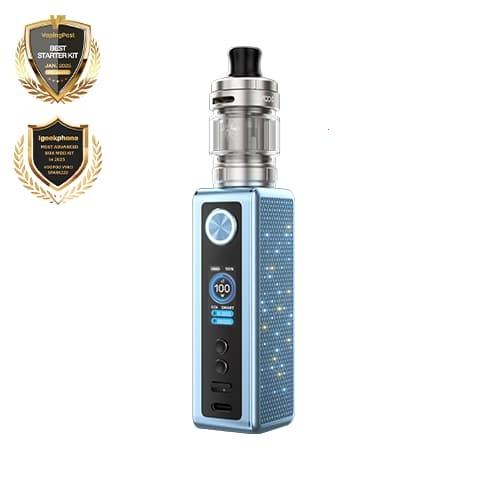
Strategic Manufacturing Blueprint for IBvape and White-Label E-Cigarette Brands
Launching a successful private label vape product requires a thorough manufacturing blueprint that combines technical rigor, regulatory foresight and smart go-to-market tactics. Whether you are evaluating IBvape as your partner, designing your own white-label e-cigarette offering, or exploring a hybrid model, this guide breaks down the step-by-step roadmap to scale quickly while protecting margins and brand equity. The sections below cover sourcing, engineering, quality control, certification, packaging, marketing readiness and channel playbooks with emphasis on repeatable OEM strategies.
Market Positioning and Product Definition
Before committing to tooling or MOQ, define the target consumer, price band and product proposition. Will your private label focus on value disposables, premium rechargeable pod systems, or a hybrid proprietary hardware and e-liquid program? A clear positioning informs technical specifications (battery size, coil resistance, e-liquid formulation), packaging choices and minimum order quantities. Use keyword-aware SEO positioning: embed IBvape and white-label e-cigarette in product descriptions, metadata and category pages to accelerate organic discovery once the product is live.
Design for Manufacturability and Scalability
Design iterations should prioritize manufacturability (DFM) to reduce defects and production costs. Early collaboration with your contract manufacturer ensures PCB design, battery selection, and injection-mold tooling are optimized for yield. When partnering with IBvape or similar OEM providers, request detailed DFM reports, tolerances, and sample run statistics. For white-label e-cigarette lines that will scale, standardize components across SKUs (shared pod bottoms, common O-rings, same charging port) to gain economies of scale and simplify replacement inventory.
Material and Component Sourcing
Choose suppliers with traceable quality records. Critical items often include batteries (certified cells with cycle life data), coils (stable resistance and wicking properties), cartridges (food-grade plastics and leak-proof design) and e-liquid components (USP-grade PG/VG, nicotine salts, natural flavorings). For sustainable differentiation, source recyclable plastics or bio-based materials and ensure suppliers provide COA (Certificate of Analysis). Embed keywords in supplier-facing documents and marketing copy: for example, “Our white-label e-cigarette solutions use certified components validated by IBvape partners.”
Quality Assurance, Testing and Certifications
Robust QA is non-negotiable. Implement incoming inspection protocols, in-line process control, and final random sampling. Key tests include battery safety (short-circuit and overcharge protection), leakage and drop testing for cartridges, and stability testing for e-liquids under accelerated conditions. Regulatory certification varies by market: CE/MDR-type safety for Europe, local product safety marks, and lab analyses for e-liquid constituents. Work with accredited labs to produce lab reports for nicotine content, heavy metals and volatile organic compounds. Present these compliance assets on product pages to improve buyer trust and SEO relevance using schema-rich content and keywords like IBvape and white-label e-cigarette within product specifications.
OEM Contracting and Smart Private Label Terms
Negotiating OEM terms should protect intellectual property and align incentives. Typical clauses: tooling ownership or amortization, tiered pricing based on run volumes, testing acceptance criteria, warranty periods, and confidentiality. Opt for flexible MOQs for initial launches (pilot run of 500–2,000 units) and build scale clauses that reduce per-unit price at specific thresholds. For brands working with established providers like IBvape, clarify branding rights, private cell design exclusivity, and co-marketing commitments. Use clear acceptance testing protocols to avoid disputes at handover.
Costing Model and Break-even Analysis
Build a transparent cost model: Bill of Materials (BOM), tooling amortization, assembly labor, QC, packaging design, freight and inbound duties. Include channel margin expectations (distributor, retail, direct-to-consumer). Run sensitivity analysis for commodity price swings (nicotine salts, battery cells). This financial rigor helps determine realistic MSRP and promotional discounts while preserving margin for marketing spends. Highlight cost-to-value on landing pages to reassure buyers considering a white-label e-cigarette from a partner like IBvape.
Packaging, Labeling and Brand Distinction
Packaging should combine regulatory clarity, shelf appeal and unboxing experience. Provide label templates that meet EU/UK/US requirements (health warnings, nicotine strength, batch codes). Private label customers often seek custom packaging finishes (soft-touch, metallic foil, embossing) to differentiate. Develop modular packaging options: basic compliance pack for low-cost channels and premium gift-box versions for DTC. Use SEO-friendly alt tags and image attributes on packaging photos including keywords: IBvape white-label e-cigarette packaging options can be highlighted under a dedicated gallery to improve search visibility.
Fulfillment, Logistics and Inventory Strategy
Decide between direct shipping from manufacturer, warehousing in target markets, or a hybrid fulfillment model. For rapid growth, use distributed warehousing (3PL) to shorten delivery windows and reduce duty impact. Implement lot tracking and batch recall plans to quickly isolate issues. For global expansion, factor in market-specific shipping restrictions for lithium batteries and nicotine liquids. Optimize reorder points with an automated inventory system and set safety stock levels for fast-moving SKUs.
Channel Playbook: Retail, Distribution and DTC
Map channels by margin and strategic value. Convenience stores and vape shops provide volume but lower margins; premium vape boutiques and online DTC channels offer brand storytelling and higher lifetime value. Negotiate distributor exclusives selectively and use limited-edition SKUs to test channel demand. Support partners with sell sheets, certified lab reports, and high-quality product assets. SEO content should include landing pages targeted at distributor queries and wholesale keywords featuring IBvape and white-label e-cigarette to capture B2B interest.
Marketing and Launch Sequence
Prepare a phased launch: soft launch with influencers and B2B samples, followed by paid acquisition and PR amplification. Content pillars should highlight safety, performance data, flavor profiles and manufacturing provenance. Leverage email automation, retargeting and A/B testing for product pages. Implement on-page SEO best practices: H1/H2s with keywords, descriptive product copy, structured data (JSON-LD for product and review schema), and optimized images. Include long-form educational articles that naturally incorporate keywords such as IBvape and white-label e-cigarette in subheadings and meta descriptions to capture both searchers and purchasers.
Customer Experience and After-Sales Support
Set up clear warranty policies and RMA processes. Provide easy-to-access safety data sheets and how-to videos for device use and coil replacement—host these as search-optimized pages and video content to build organic presence. Collect verified reviews and showcase problem resolution to increase conversion and reduce chargebacks. Use CRM segmentation to nurture wholesale leads with product updates and seasonal SKUs.
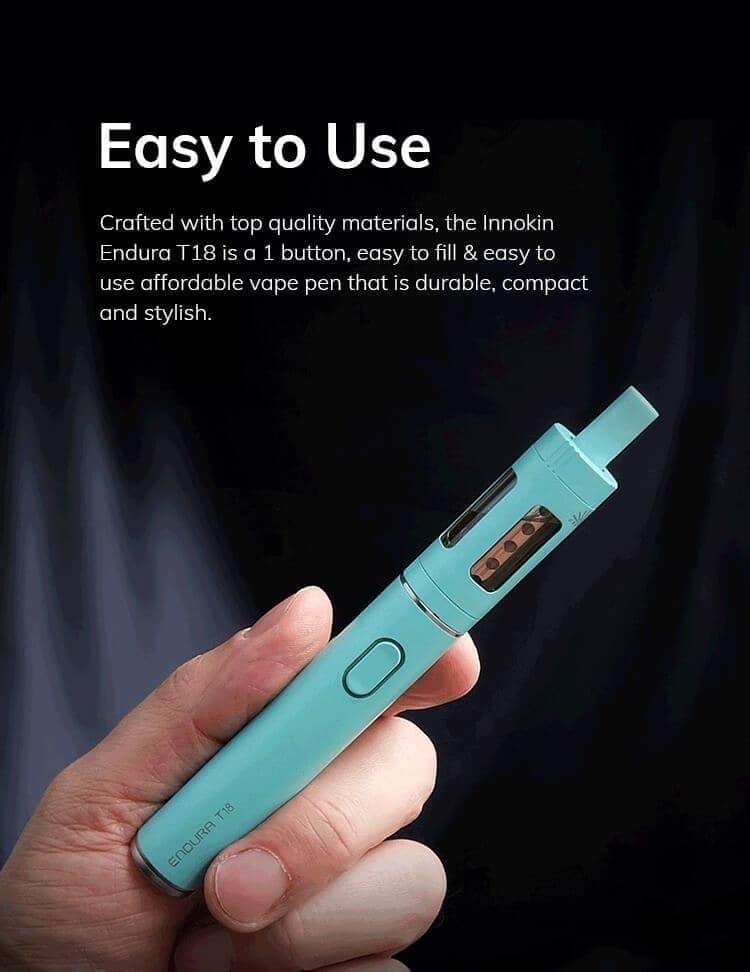 IBvape white-label e-cigarette Manufacturing Blueprint and Smart IBvape OEM Strategies for Rapid Private Label Growth” />
Risk Management and Regulatory Adaptability
Monitor evolving regulations: flavor bans, packaging restrictions, nicotine caps, and import taxation. Build contingency plans such as alternate formulations or hardware variants to quickly adapt. For international operations, ensure legal counsel reviews labeling and advertising to avoid penalties. Incorporate compliance updates into supplier SLAs and engineering change processes to ensure manufacturing continuity.
Scaling Playbooks: From Pilot to National Rollout
After a successful pilot, activate a scale playbook: increase tooling capacity, lock in component lead times with suppliers, expand QC sampling, and forecast promotions. Consider multi-sourcing critical components to mitigate single-point failures and use hedging strategies for volatile commodities. Negotiate volume discounts and demand flexibility clauses to keep unit economics favorable as you scale.
Case Studies and Practical Examples
Case study frameworks can be adapted to your brand: a mid-market brand that partnered with an experienced OEM reduced time-to-market by 40% through shared engineering resources; a premium label achieved 2.5x conversion lift by investing in premium packaging and retailer co-op marketing. Use data-driven narratives and incorporate keyword-rich titles for SEO to attract both consumers and prospective B2B clients searching terms like IBvape and white-label e-cigarette.
Checklist: Actionable Steps for Your First 90 Days
- Define product scope and target pricing tiers.
- Engage OEM partners and request DFM and pilot quotes.
- Sample and test all components; secure lab certifications.
- Design packaging and labeling compliant with target markets.
- Set up inventory, fulfillment and batch tracking systems.
- Create SEO-optimized product pages and launch campaigns.
- Plan for scale with supplier capacity and multi-sourcing.
KPIs to Track for Rapid Private Label Growth
- Cost per unit and BOM variance
- First pass yield and defect rate
- Time-to-market from prototype to production
- Return rate and RMA turnaround
- Organic search rankings for brand and product keywords
By consistently optimizing these KPIs and keeping a customer-first lens, private label brands can grow rapidly without sacrificing quality or compliance. Strategic OEM relationships—whether with known manufacturers or an established network including IBvape—serve as force multipliers by providing technical depth, compliance knowledge and manufacturing capacity. A well-executed white-label e-cigarette program elevates brand presence, reduces complexity for founders and accelerates retail partnerships.
Pro tip: Treat the first 1,000–5,000 units as a learning cohort. Collect usage feedback, iterate on both hardware and e-liquid flavor profiles, and refine packaging copy to improve conversions.
Finally, document everything: specifications, test results, supplier agreements, and marketing assets. This institutional knowledge becomes the foundation for future SKUs, seasonal releases, and international launches. Embed keywords naturally throughout these assets so that both search engines and business partners can find and evaluate your offering—terms like IBvape and white-label e-cigarette should be used where they add clarity and SEO signal without compromising readability.
If you are ready to move from concept to production, begin with a small pilot, secure the necessary labs and certifications, and then use the operational checklist above to scale methodically while protecting margins and brand reputation.
Frequently Asked Questions
- How do I choose between ODM and OEM for a private label vape?
- ODM offers quicker starts with existing designs while OEM with custom engineering gives differentiation. If speed is critical, an ODM partner can get you to market faster; for proprietary features and brand distinctiveness, pursue OEM or hybrid approaches often available via partners like IBvape.
- What are typical MOQs and lead times for white-label e-cigarette projects?
- MOQs vary by component and finish: initial pilot runs can be 500–2,000 units while full production can start at 5,000–10,000. Lead times depend on tooling and components but expect 8–16 weeks for initial production including certifications.
- How should I present compliance documentation to retailers?
- Provide a compliance packet including COAs, battery safety certificates, lab results for e-liquid analysis, and a clear product spec sheet. Make digital copies available and reference them on B2B pages using keyword-optimized anchors for discoverability.