
Navigating Vaping: Practical Guidance for People Using Modern Vapor Devices
Vaping culture has evolved rapidly and along with it the language, products, and science that shape consumer safety. Whether you encounter the German term e-zigaretten in a shop window or you read about chemical analyses of vape liquids, understanding the key facts about ingredients, device mechanics, and risk-reduction strategies is essential. This guide explores the most important aspects of product composition, common e-cigarette chemicals, safety best practices, and practical harm-minimization steps that every user should know.
Why composition matters: what is inside a typical vape liquid?
Most modern refill liquids and prefilled cartridges contain a few basic components: a carrier base (commonly propylene glycol and/or vegetable glycerin), nicotine in varying concentrations, flavorings, and minor additives. While these raw ingredients are often considered safe for ingestion or topical use in other contexts, inhalation is different. Many compounds behave differently when heated and aerosolized. That means the chemical profile inhaled from e-zigaretten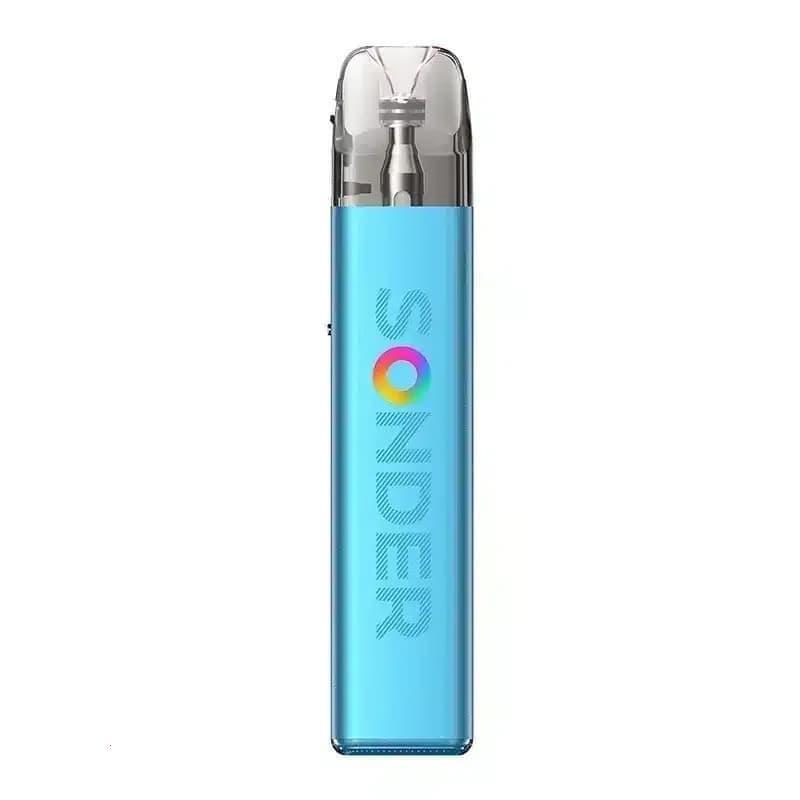 or related devices can differ significantly from the ingredients listed on a bottle.
Common ingredients and how they transform
- Propylene glycol (PG) – used as a carrier and throat hit enhancer; when heated it can form small amounts of formaldehyde and acetaldehyde under some conditions.
- Vegetable glycerin (VG) – creates visible vapor and sweetness; thermolysis of VG can also generate carbonyls if coils run very hot.
- Nicotine – available as freebase or nicotine salts; both are pharmacologically active and addictive.
- Flavoring chemicals – many are food-safe but were not designed for inhalation; diacetyl and similar diketones used for buttery flavors have been associated with serious lung disease in occupational exposures.
- Minor additives – acidifiers (to create nicotine salts), preservatives, colorants; the inhalation toxicity profile is often under-studied.
From bottle to lung: temperature, coil chemistry, and the aerosol
The heating element in a device determines the temperature of vaporization. High power, low-resistance coils and aggressive “dry puff” conditions can elevate temperatures and change how e-cigarette chemicals break down. Under these conditions, volatile organic compounds (VOCs) and carbonyls may increase. Choosing appropriate power settings and avoiding “dry hits” reduces the formation of many unwanted byproducts.
Understanding labels and product transparency
Labeling varies by country and brand. Some manufacturers provide full ingredient lists and third-party lab results; others offer minimal disclosure. If you prioritize safety, look for products that publish certificates of analysis (COAs) from accredited labs showing nicotine concentration accuracy, absence of heavy metals above limits, and measured levels of carbonyls and other contaminants. When in doubt, reach out to the manufacturer and ask specific questions about testing protocols.
Regulatory landscapes affect safety
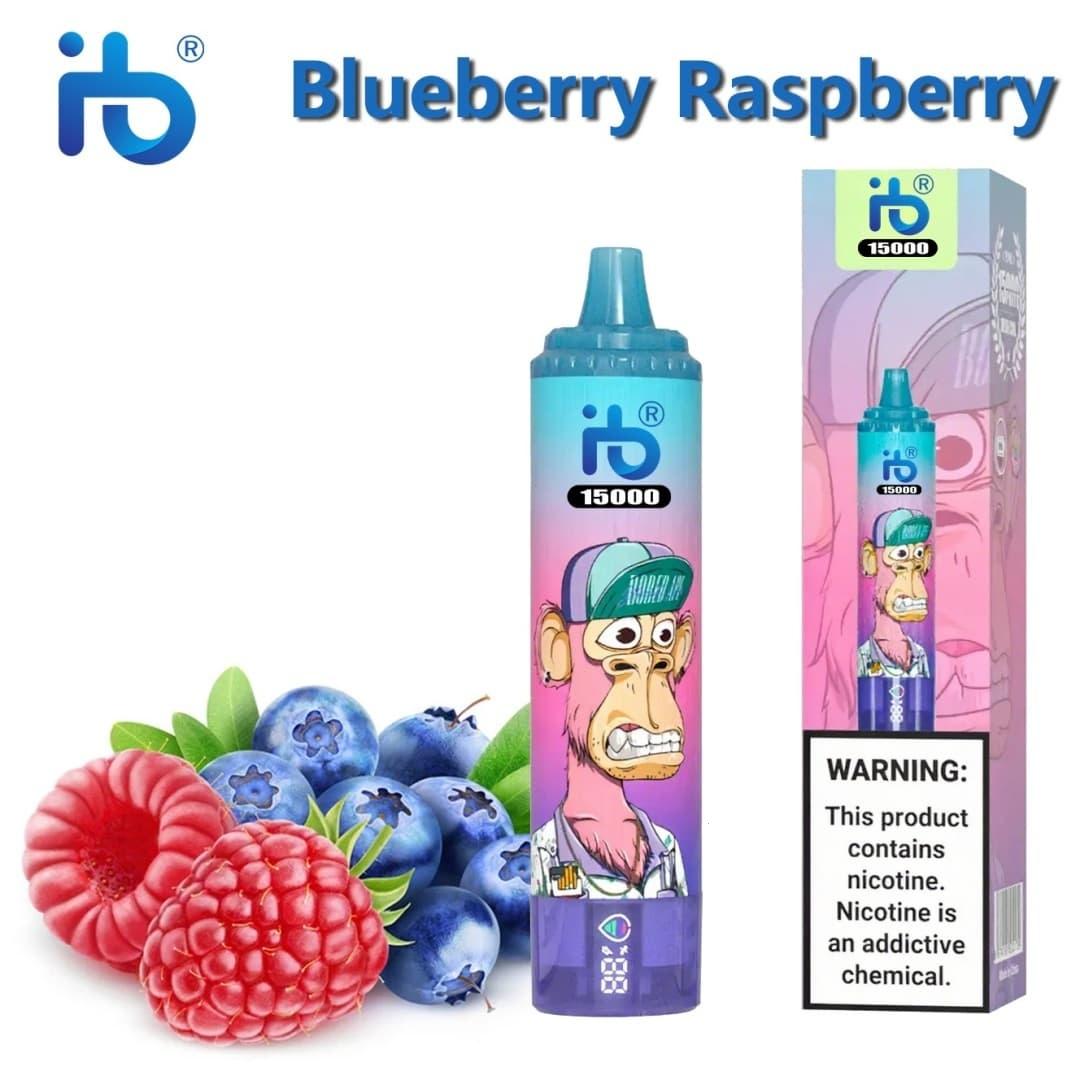
Regulation differs: some markets enforce strict product standards, packaging, and advertising rules; other markets are less regulated. For example, product rules in parts of Europe and Canada require ingredient disclosure and limits on nicotine strength or bottle sizes, while other regions are still developing consistent approaches. Learning local standards for e-zigaretten can guide safer purchasing choices.
Short-term vs long-term health considerations
Short-term effects can include throat irritation, cough, headaches, and nausea—often related to nicotine overdose, contaminants, or allergic reactions to flavorings. In the long term, evidence continues to accumulate about respiratory and cardiovascular effects. While many experts agree inhaling combusted tobacco is more harmful than vaping for established smokers, vaping is not risk-free and the inhalation of e-cigarette chemicals over years may carry consequences that are still not fully quantified.
Special concerns: kids, teens, pregnancy, and chronic disease
Nicotine exposure during adolescence can harm brain development. Pregnant people should avoid nicotine due to risks to fetal development. Individuals with existing respiratory disease, such as asthma or COPD, may experience worsened symptoms. Keep all devices and liquids out of reach of children and pets and use child-resistant packaging when available.
Device safety: batteries, tanks, coils, and leaks
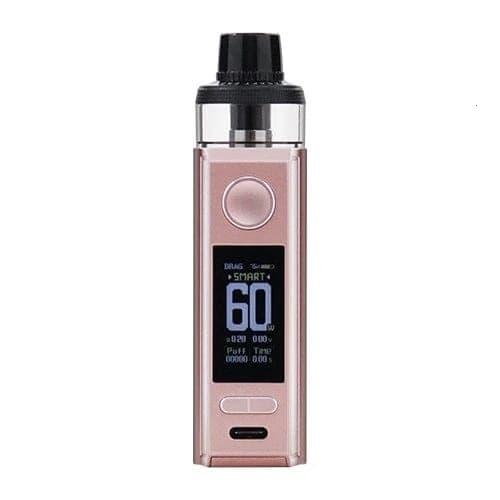
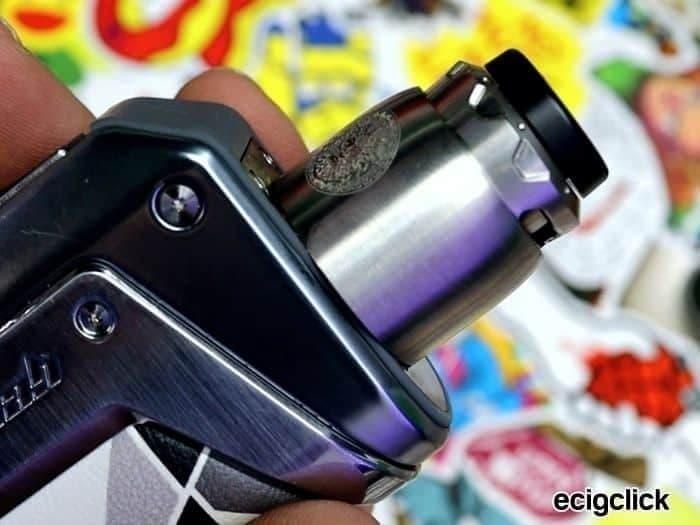
Beyond chemistry, mechanical safety matters. Lithium-ion batteries can fail if misused—using the correct charger, avoiding external damage, and following manufacturer recommendations prevents many battery incidents. Tanks and coils should be handled according to instructions to avoid leaks, flooding, or short circuits. Regular maintenance extends the life of equipment and reduces the likelihood of unintended high-temperature operation that can produce more harmful thermal decomposition products.
Coil selection and wicking
Coils made from different metals (Kanthal, stainless steel, nickel, titanium) have unique heating profiles. If you use temperature control modes, choose compatible materials and be aware that some metals oxidize or release metals into aerosol under certain conditions. Use recommended wicking materials and replace coils and wicks when performance declines to avoid overheating residues.
Choosing liquids with safety in mind
When evaluating liquids, prioritize brands that provide transparent ingredient lists, third-party test results, and consistent quality controls. Avoid products with unknown or unregulated flavor mixes, especially those claiming exotic or proprietary chemical blends that are not disclosed. Consider nicotine level selection carefully and prefer nicotine concentrations that reduce the number of puffs needed to satisfy cravings rather than excessively high doses.
DIY mixing and the risks of handling concentrates
Mixing your own e-liquid can save money and allow customization, but it introduces risks: handling concentrated nicotine can cause accidental poisoning through skin contact or ingestion. Use appropriate protective equipment and accurate measuring tools. Store concentrates securely and label them clearly. If you are not experienced with mixing, follow step-by-step recipes from reputable sources and always dilute to known concentrations.
Reducing exposure to undesirable byproducts
There are practical steps users can take to minimize exposure to harmful thermal byproducts and contaminants. Keep power settings moderate, avoid chain vaping that overheats coils, prime wicks properly to avoid dry hits, and replace coils/wicks regularly. Choose reputable liquids, use correctly sized coils and tanks, and maintain battery safety practices. These steps reduce the production of many carbonyls and VOCs associated with higher temperature use.
Storage, disposal, and environmental considerations
Store e-liquids away from heat and light to maintain chemical stability, and keep them out of reach of children. Dispose of used cartridges, batteries, and liquids at appropriate recycling centers—batteries should never be thrown into household trash. Proper disposal protects the environment and prevents accidental exposure.
What the science says and how to interpret studies
Research on e-cigarette chemicals is growing fast but can produce mixed conclusions due to device variability, differences in laboratory methods, and rapidly changing product designs. When reading a study, consider: was the device representative of current consumer products, were real-use conditions simulated, and were third-party confirmations performed? Studies that test high-power, unrealistic puff profiles may overestimate risk for typical users, while low-power tests might underestimate exposures for some subgroups. Balanced interpretation is essential.
Tip: prefer longitudinal studies, meta-analyses, and research that includes dose-response data for stronger guidance.
Practical checklist for safer vaping
- Buy from reputable manufacturers and check for lab test reports.
- Prefer regulated markets and products with full ingredient disclosure.
- Use correct chargers and follow battery safety guidelines.
- Avoid running coils dry or at excessive power; prime new coils properly.
- Store liquids securely and label DIY supplies.
- Keep e-liquids and devices away from children and pets.
- Consult a healthcare professional if you have respiratory or cardiovascular conditions.
Harm reduction perspective
For adult smokers, switching completely from combustible cigarettes to properly used vaping products is often considered less harmful. Harm reduction is about pragmatic risk reduction: replacing higher-risk behaviors with lower-risk choices, while recognizing that eliminating nicotine dependence remains the healthiest option. Support for quitting nicotine entirely is available, including behavioral counseling and approved pharmacotherapies.
How to stay informed: trusted resources and where to look
Follow regulatory agencies, reputable public health institutes, and academic centers for updates. Peer-reviewed journals, official regulator advisories, and accredited lab reports are better sources than social media hearsay. Consumer advocacy groups can be useful for product transparency initiatives, but always check for conflicts of interest.
Keyword note: SEO-conscious readers will find that referencing the keyword e-zigaretten and the term e-cigarette chemicals when searching will return diverse results—from product reviews and lab reports to regulatory notices—so cross-check and prioritize primary source data for safety decisions.
Communication and community
Engage with local cessation services and patient groups if you’re considering quitting nicotine or switching from tobacco. Many programs offer personalized support and are updated with the latest evidence about device safety and chemical exposure.
Common myths and evidence-based clarifications
- Myth: “All vape liquids are harmless because they are food-grade.” Clarification: Food-grade safety does not guarantee safety when inhaled; inhalation toxicology can differ substantially.
- Myth: “If it’s organic or natural, it’s safe to vape.” Clarification: Natural flavorings can still form toxic byproducts when heated; ‘natural’ is not synonymous with inhalation safety.
- Myth: “Low price always indicates similar risk to expensive options.” Clarification: Cheaper products may cut corners in quality control and testing, increasing the chance of contaminants and inconsistent nicotine dosing.
When to seek medical help
Seek immediate medical attention for symptoms such as severe chest pain, shortness of breath, rapid heart palpitations, or signs of nicotine poisoning (dizziness, vomiting, weakness) after using a device or liquid. If you suspect an allergic reaction to a flavoring or an exposed battery causes burns, consult emergency services promptly.
Regulatory trends and what may change next
Policymakers are increasingly focused on ingredient transparency, restrictions on youth-targeted marketing, limits on flavor options, and safety standards for hardware and batteries. Expect more standardized testing requirements and perhaps labeling mandates in many regions. Staying informed about these changes helps consumers make safer choices and provides clarity about product legality and compliance.
Summary: practical takeaways
Use moderated power settings, choose products with transparent testing records, store and dispose responsibly, avoid DIY nicotine handling unless experienced, and seek healthcare guidance when uncertain. Recognize that while switching from smoking to vaping may reduce some risks, inhalation of e-cigarette chemicals is not risk-free. Thoughtful product selection and careful device maintenance materially reduce many hazards associated with e-zigaretten.
FAQ: Frequently asked questions
Q1: Are flavored e-liquids safe to inhale?
Answer: Many flavoring agents are approved for ingestion but lack inhalation safety data. Some compounds, such as diacetyl, have known inhalation risks. Choose brands that publicly disclose flavoring ingredients and have third-party testing; avoid unfamiliar or bespoke flavor concentrates without documented inhalation safety profiles.
Q2: How can I minimize the formation of harmful byproducts?
Answer: Use appropriate wattage for your coil, avoid chain vaping that overheats the coil, prime wicks properly, replace coils when performance drops, and choose reputable devices that control temperature reliably.
Q3: Is nicotine-free vaping completely safe?
Answer: Nicotine-free liquids still contain carriers and flavorings that can form thermal decomposition products when heated. Removing nicotine reduces addiction risk but does not eliminate exposure to potential respiratory irritants.
Q4: What should I do if a battery gets hot or damaged?
Answer: Stop using the device immediately, move it to a safe, non-flammable surface away from combustible materials, and consult manufacturer guidance. Damaged lithium-ion batteries should be recycled at appropriate facilities; do not attempt to charge or use damaged cells.
Last updated: information synthesized from current research literature, regulator advisories, and best-practice safety guidance; always seek primary source updates for your region and consult health professionals for personalized advice.