
Understanding E-Cigarettes and the Nature of Vapor
If you’ve recently encountered vaping devices or are curious about alternatives to traditional smoking, this guide introduces clear, practical information that helps beginners grasp what e-cigarettes are, why people use them, and what e cigarette vapor consists of. The intent here is to offer an SEO-focused, user-friendly overview that balances scientific explanation, safety considerations, and everyday usage knowledge. Throughout this article you’ll find emphasized keywords like e-cigarette and what is e cigarette vapor used naturally to aid discoverability while remaining informative.
What Is an E-Cigarette? Basic Components and How They Work
At its core, an e-cigarette is a handheld electronic device designed to deliver nicotine (or non-nicotine) aerosols to the user. Typical components include a battery, a heating element (atomizer or coil), a wick or cartridge holding liquid (often called e-liquid or vape juice), and a mouthpiece. The battery powers the coil, which warms the e-liquid to create an aerosol commonly referred to as vapor. Modern devices range from simple disposable models to advanced refillable systems with adjustable power and temperature settings.
Types of Devices
- Cigalikes: Small, cigarette-shaped units intended for one-time or limited use.
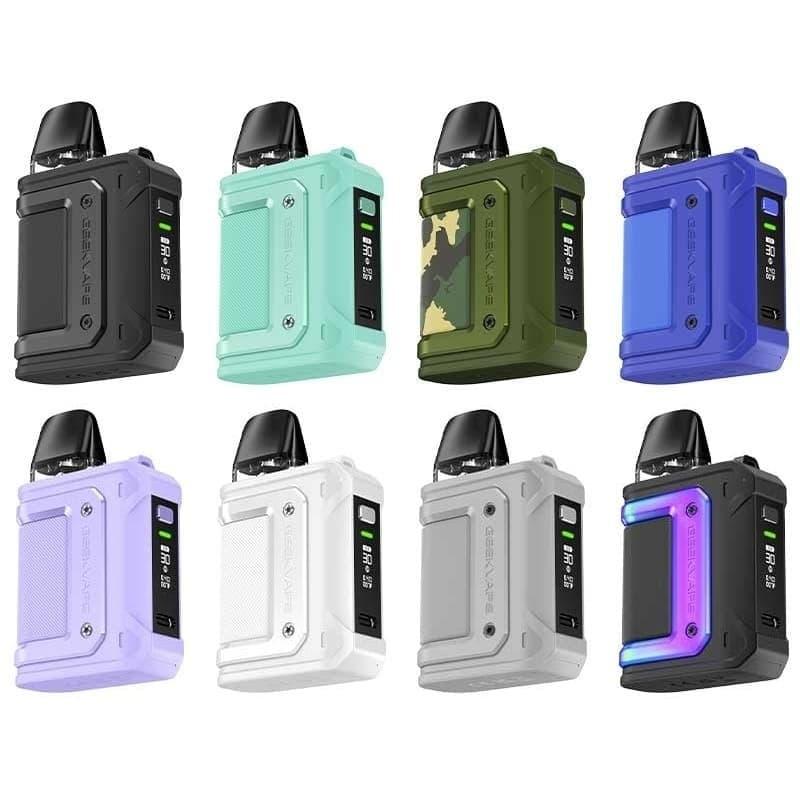
- Pod Systems: Compact and convenient, pods often use pre-filled or refillable cartridges.
- Vape Pens: Mid-sized devices with larger batteries and refillable tanks.
- Mod Systems: Advanced devices offering adjustable wattage, temperature control, and larger capacity for experienced users.
What Is E Cigarette Vapor? Composition and Misconceptions
One common beginner question is what is e cigarette vapor? E-cigarette vapor is not “smoke” in the combustion sense; instead, it is an aerosol made of tiny liquid droplets suspended in gas. Typical constituents include propylene glycol (PG) and vegetable glycerin (VG) as carrier liquids, flavoring agents, and optionally nicotine. When the heating element vaporizes the e-liquid, these ingredients form an aerosol that cools and appears as visible vapor.
Common Ingredients Explained
Understanding the roles of the main ingredients helps demystify the aerosol:
- Propylene Glycol (PG): A thin, odorless liquid used to carry flavors and provide throat hit. PG is widely used in food, pharmaceuticals, and cosmetics.
- Vegetable Glycerin (VG): A thicker, sweeter liquid that produces denser visible vapor. VG is common in food and personal care products.
- Flavorings: Food-grade flavors formulated to be vaporized, though concerns exist about inhalation safety for some compounds.
- Nicotine: An optional stimulant available in varying concentrations, from zero to levels used by people transitioning from traditional cigarettes.
How Vapor Differs from Smoke
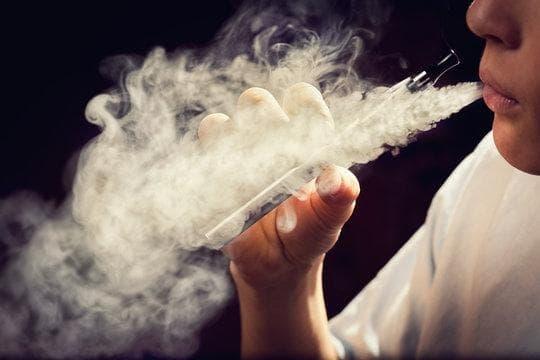
Combustion-generated smoke contains burned plant material, tar, carbon monoxide, and many combustion by-products. E-cigarette aerosol avoids combustion, which eliminates most smoke-specific toxins; however, heating can still generate new compounds not present in the unheated liquid. Research continues to evaluate the long-term health impacts of inhaling vapor components.
Health Considerations and Harm Reduction Perspective
For many, switching from combustible tobacco to an e-cigarette is a harm-reduction step. Public health organizations in some countries acknowledge that for adult smokers who completely switch, e-cigarettes may present reduced exposure to certain toxicants. That said, they are not risk-free—particularly for young people, pregnant people, and non-smokers. Key considerations include nicotine addiction potential, possible respiratory effects, and uncertainty on very long-term outcomes.
Short-Term vs Long-Term Effects
Short-term effects reported by users may include throat irritation, cough, or dry mouth, often related to PG/VG or flavorings. Long-term effects are still being studied; researchers are monitoring respiratory, cardiovascular, and other systemic outcomes. Because the market and product design evolve rapidly, evidence is continually updated.
Usage Patterns, Nicotine Delivery, and Satisfaction
Beginners often wonder whether an e-cigarette offers similar satisfaction to smoking. Nicotine delivery depends on device type, coil temperature, and e-liquid composition. High-PG liquids and devices designed for nicotine salts can deliver nicotine efficiently and reduce craving more quickly, which some users find helpful for smoking replacement. Conversely, high-VG setups produce larger clouds valued by hobbyist vapers but may deliver nicotine more slowly.
Nicotine Salts vs Freebase Nicotine
Nicotine salts allow smoother inhalation at higher nicotine concentrations and were developed to provide a more cigarette-like experience in small devices. Freebase nicotine, common in earlier e-liquids, can taste harsher at high concentrations. Choosing the right type and strength is individual and can influence both satisfaction and dependence risk.
Device Safety, Maintenance, and Best Practices
Safe use includes selecting quality devices, practicing battery safety, and using appropriate e-liquids. Replace coils and wicks per manufacturer guidance, avoid mixing unknown liquids, store batteries safely, and never modify equipment in ways that could cause failure. For beginners, using devices with simple safety features and following manufacturer instructions reduces accidental harm.
Storage and Child Safety
E-liquids can be toxic if ingested, particularly to children and pets. Keep all liquids secured, clearly labeled, and out of reach. Nicotine-containing e-liquids should be handled with care and disposed of responsibly.
Flavoring, Regulation, and Public Debate
Flavor variety is a major draw for many users, but it also fuels controversy. Public health regulators weigh youth appeal against adult access. Some jurisdictions restrict certain flavors or marketing, while others regulate device standards, nicotine limits, and sales channels. If you’re evaluating options, checking local laws and trusted retailer practices helps ensure compliance and safety.
Quality Standards and Certifications
Look for products from manufacturers who follow quality control, list ingredient transparency, and comply with local regulations. Third-party testing and readable labeling are positive signs. Certified labs can analyze e-liquid content and device emissions, providing deeper insight into product safety.
Practical Tips for Beginners
- Start with a simple, proven e-cigarette or pod device to learn inhalation technique and nicotine effects.
- Choose lower nicotine strengths if you’re unsure; you can always adjust upward to manage cravings.
- Read manufacturer instructions for charging, coil changes, and cleaning to prolong device life.
- Purchase e-liquids from reputable vendors and avoid homemade mixtures from unknown sources.
- If quitting smoking is the goal, consider combining product use with behavioral support or counseling for higher success rates.
Understanding Emissions: Particle Size and Exposure
Vapor contains tiny aerosol droplets that vary in size and can deposit in different regions of the respiratory tract. Particle size, temperature, and inhalation depth influence deposition. Laboratory studies often measure particulate matter, volatile organic compounds (VOCs), and metals in emissions to assess exposure. While many toxicants are reduced relative to cigarette smoke, non-zero levels of certain chemicals have been detected in some studies, so minimizing unnecessary exposure is prudent.
Secondhand Exposure
Secondhand exposure to e-cigarette aerosol is usually lower than secondhand tobacco smoke, but it is not negligible. Indoor vaping policies vary; in shared spaces, it’s considerate to respect others and follow local regulations.
How Scientists Study What Is E Cigarette Vapor
Researchers use laboratory simulations, clinical studies, and population surveys to analyze vapor composition and health effects. Chemical analysis identifies constituents; toxicological tests examine cellular responses; clinical trials explore symptoms and biomarkers in people who switch from smoking to vaping. Longitudinal population studies help track trends, cessation outcomes, and public health impacts over time.
Decision-Making: Is Vaping Right for You?
Deciding whether to use an e-cigarette involves weighing potential benefits and risks. For adult smokers unable or unwilling to quit, switching entirely to vaping may reduce exposure to some harmful compounds found in smoke. For non-smokers and youth, initiating vaping carries avoidable risks. Discussing goals with a healthcare professional helps align choices with personal health priorities.
Alternatives and Support
If your goal is smoking cessation, evidence-based options include nicotine replacement therapies (patches, gum), prescription medications, behavioral counseling, and in some places, supervised vaping programs as part of a structured cessation plan. Combining approaches usually improves outcomes.

Key Takeaways
In summary: an e-cigarette is an electronic device that produces an aerosol—commonly called vapor—from a liquid made of carriers like PG and VG, flavorings, and optional nicotine. While vapor differs from combustible smoke and may reduce exposure to certain toxicants, it is not risk-free. Beginners should prioritize reputable products, follow safety practices, and consider their health goals before starting. Staying informed with up-to-date research and local regulations will help you make safer choices.
Further Reading and Reliable Sources
To deepen your understanding, consult peer-reviewed studies, official public health guidance from recognized agencies, and manufacturer documentation for specific devices. Scientific knowledge and product standards evolve, so aim for reputable, current sources.
FAQ
Q: Can e-cigarettes help people quit smoking?
A: Many smokers report that switching to an e-cigarette helps reduce or eliminate combustible cigarette use; some clinical trials suggest vaping can aid cessation for certain individuals, especially when combined with behavioral support.
Q: Is e-cigarette vapor just water vapor?
A: No. While vapor contains visible droplets that may resemble steam, it is an aerosol with dissolved substances (PG, VG, flavorings, nicotine) and is chemically distinct from pure water vapor.