
Top Picks and Safety Notes for Modern Vaping Devices
Introduction: choosing the right device in a shifting landscape
If you’re researching the best e-cigarette choices for 2025 and trying to understand marketing terms such as harmless electronic cigarette, this long-form guide dives into detailed, usable advice that balances product recommendations with critical safety scrutiny. The vaping market keeps evolving: design innovation, battery improvements, pod and mod fine-tuning, and a growing body of scientific evidence mean that the devices often labeled “harmless” deserve closer examination. Whether your priority is nicotine reduction, flavor fidelity, portability, or clinical-grade safety signals, this guide covers selection criteria, example models across categories, maintenance tips, and the evidence behind harm-reduction versus “harmless” claims.
Why selection matters: what “best” really implies
When we talk about the best e-cigarette for a given person in 2025, “best” is contextual. For a new vaper trying to quit combustible cigarettes, the best device emphasizes nicotine delivery stability, ease of use, and robust child-safety measures. For a flavor-focused adult user, the best device may be a refillable pod or rebuildable atomizer tuned for low-resistance coils and precise airflow control. For commuters, stealth and battery longevity dominate. Across categories, however, all responsible buyers should evaluate the same set of safety and quality metrics that determine whether promotional language like harmless electronic cigarette is realistic or misleading.
Key selection criteria to prioritize
- Ingredient transparency: Does the manufacturer publish independent lab reports (COAs) for e-liquid ingredients and solvents?
- Coil and heating materials: Stainless steel, Kanthal, and nickel have different behaviors at varying voltages and temperatures. Look for reputable materials and solder-free construction.
- Temperature control and wattage limits: Devices with reliable TC modes reduce the risk of overheating and thermal decomposition of e-liquids.
- Battery certification: UL or IEC-compliant battery protection and reputable cell suppliers (Sony, Samsung, LG) are non-negotiable.
- Child- and tamper-resistance: Childproof refill ports and packaging that meets local safety standards protect minors.
- Leak and spill resistance: Design that minimizes spills protects both device internals and user skin contact with concentrated nicotine.
- Vendor policies and support: Clear warranty, accessibility of replacement parts, and transparent labeling reflect a mature brand.
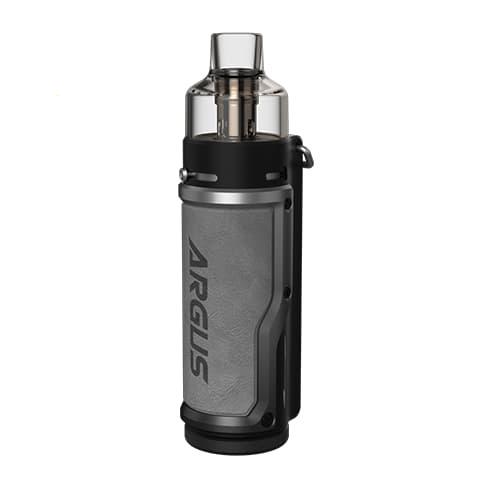
The combination of the criteria above creates a profile for what can be labeled the best e-cigarette for a particular user. No product is universally best, but informed choices will consistently raise the safety bar and reduce the chance of buying a product that leans on the language “harmless electronic cigarette” without evidence.
Top categories and exemplar choices (2025)
Below are curated categories with representative device types, design features that matter, and what to look for when deciding if a model truly belongs in a “best” list. Note: brand names are illustrative of device types rather than absolute endorsements; always verify the latest test reports and safety recalls before purchase.
1. Best all-rounder (beginner-friendly, reliable safety)
Look for a closed or refillable pod system with integrated battery stabilization, simple wattage presets, and leak-resistant pods. Ideal attributes: consistent nicotine delivery, replaceable pods with child-proof locks, and visible COA links on the manufacturer’s site.
2. Best flavor-centric option
Devices with rebuildable atomizers (RDA/RTA) or advanced mesh coils often deliver the richest flavor. Seek temperature control options and manufacturer guidance on coil types and wattage ranges to avoid overheating flavor concentrates that may generate higher carbonyl levels.
3. Best stealth/portable
Ultra-compact devices excel at discretion and quick draws. Prioritize pressure-tested batteries and stable connections to prevent intermittent shorts. Compact does not mean substandard; the best portable options still meet safety metrics and provide nicotine strength choices.
4. Best for nicotine reduction and quitting
Pod systems with nicotine salt compatibility and a range of low-nic strength options support gradual nicotine tapering. Look for devices that accept 0.3–3.0 mg/mL formulations and provide a predictable delivery curve so users can plan reductions.
5. Best high-performance mod
Advanced users pursue mods for cloud management and coil experimentation. For these users, safety hinges on accurate chips (regulated mods vs mechanical mods), user education, proper battery handling, and firmware updates from verified sources.
Examining “harmless electronic cigarette” claims
Marketing that uses terms like harmless electronic cigarette can be attractive, but such claims rarely stand up to scientific scrutiny. Below are commonly overlooked aspects that make “harmless” an unreliable blanket claim.
Toxicology is dose- and chemistry-dependent
While vapor typically contains fewer toxicants than cigarette smoke, it can contain carbonyls (formaldehyde, acetaldehyde), volatile organic compounds, flavoring byproducts, and metals that derive from coil materials. Emissions vary by device, coil temperature, e-liquid composition, and user behavior. A device producing low emissions at conservative wattages might produce substantially higher levels when pushed beyond recommended settings.
Nicotine is not inert
Nicotine itself is addictive and can have cardiovascular and developmental impacts. Even when a product reduces exposure to combustion byproducts, nicotine-associated risks—especially for pregnant users and developing adolescents—mean “harmless” is an inaccurate descriptor. Consider statements that emphasize “reduced harm compared to smoking” versus “harmless”—the former is evidence-aligned, the latter is often marketing spin.
Unknowns around flavoring chemicals
Many flavor molecules are safe for ingestion but not for inhalation; the respiratory tract metabolizes compounds differently, and thermal breakdown can create new, potentially hazardous chemicals. Terms like diacetyl-free are useful but not exhaustive; a responsible vendor will publish comprehensive testing, not single-metric claims.
Device failure modes and battery hazards
Battery failures, connector shorts, and poor thermal runaway protections can turn a device into an acute hazard. Quality control, certification, and robust firmware that cuts power during anomalies reduce risk dramatically. The existence of UL-certified batteries and thorough testing protocols is a safety differentiator.
How to verify safety claims: a practical checklist
- Demand an independent Certificate of Analysis (COA) for e-liquids that lists key contaminants (diacetyl, acetyl propionyl, heavy metals) and verification of nicotine concentration.
- Look for device firmware update history and a transparent recall policy.
- Check battery sourcing and whether the manufacturer specifies cell models and safety circuitry.
- Search for third-party emissions testing for carbonyls and particulate matter published by credible labs or academic groups.
- Confirm child-resistance features and tamper-evident packaging for products meant to carry nicotine-containing liquids.
The ability to inspect COAs and independent lab results is central to distinguishing marketing from genuine safety. A brand that hides test results or uses vague “medical-grade” language without data should be viewed skeptically. The phrase harmless electronic cigarette should trigger a request for raw lab data and methodology, not blind acceptance.
Maintenance and user practices that minimize risk
Regardless of which device you choose, user behavior dramatically influences safety outcomes. Below are best practices that seasoned vapers, clinicians, and safety advocates recommend.
- Charge only with the provided or manufacturer-recommended charger and avoid overnight charging unsupervised.
- Replace coils and wicks on a schedule consistent with tobacco/vegetable glycerin buildup and flavor degradation—do not prolong usage to the point of dry hits or burnt taste.
- Use wattage and temperature ranges recommended for the coil and e-liquid combination to avoid thermal decomposition.
- Store e-liquids away from heat, direct sunlight, and children; nicotine concentrations should be clearly labeled.
- Observe device firmware updates and avoid unofficial modifications that bypass safety features.
Regulatory and public health context
Regulators worldwide are increasingly focused on protecting youth and ensuring product safety. Policies usually fall into a few broad domains: restricting flavors that appeal to minors, enforcing accurate labeling and ingredient disclosure, and mandating robust manufacturing standards. When regulatory agencies require independent testing and recall transparency, consumers are better protected. Conversely, markets without such oversight tend to see more unregulated “harmless”-claiming products that lack verified safety testing.
Real-world evidence: harm reduction vs absolute safety
Population-level studies indicate that switching from combustible tobacco to controlled nicotine delivery systems can reduce exposure to many carcinogens and respiratory toxicants. However, “harm reduction” is not synonymous with “harmless.” Health organizations that support regulated access for adult smokers typically pair that stance with calls for strict marketing limits and youth protections. When product marketing implies absolute safety, it conflicts with evidence-based public health messaging.
Practical shopping guide
Use this brief shopping protocol before purchase:
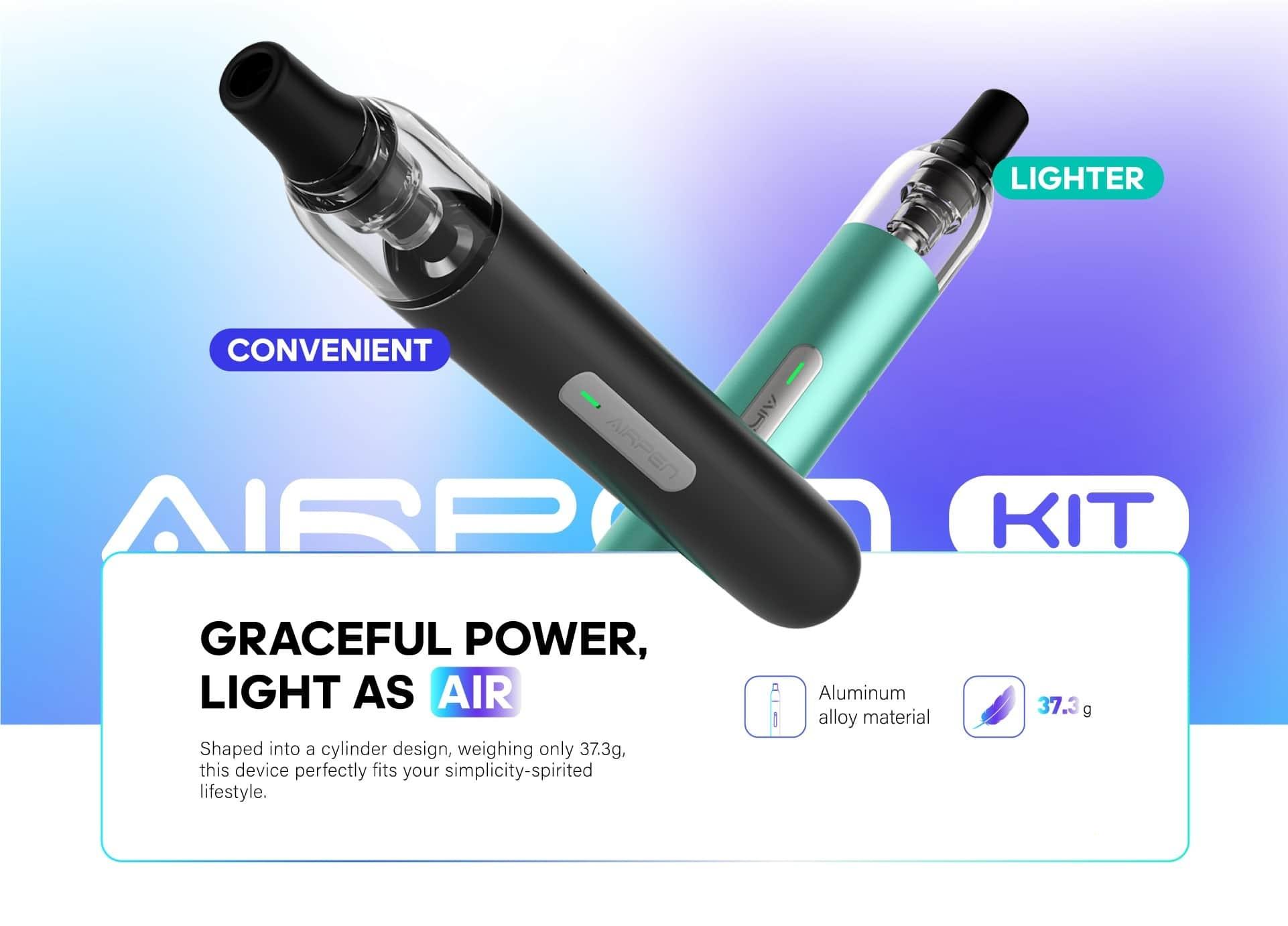
- Confirm the device type fits your goals (quit-smoking support vs flavor exploration).
- Inspect the manufacturer’s website for COAs and battery spec sheets.
- Read independent reviews focused on safety tests, not just flavor or clouds.
- Check warranty terms and availability of replacement parts.
- Avoid devices sold without clear labeling of nicotine concentration or ingredient lists.

Additionally, when searching online, combine terms like best e-cigarette with “COA”, “independent lab”, “battery certification”, “warranty”, and “labeling” to surface results that prioritize verified safety over hype.
Case studies: lessons learned from the field
Several notable product issues in past years underline key takeaways: flawed battery management leading to recalls, unlisted flavoring chemicals found in e-liquids, and devices optimized for extreme temperatures producing higher carbonyls. Each incident, while specific, reiterates the same themes: transparent testing, regulated manufacturing, and realistic marketing are non-negotiable components of a trustworthy product line—particularly when consumers see tags such as harmless electronic cigarette.
Future trends to watch (2025 and beyond)
Expect the market to move toward: more certified batteries, built-in sensors that monitor coil temperature and disable overheating, flavor chemistry optimized for inhalation safety, and cloud-based firmware updates enabling faster recall or patch cycles. Advanced materials science will improve coil longevity and reduce metal shedding. Policy trends will likely increase mandatory COA publication and restrict certain flavor categories to curb youth uptake.
How to stay informed
Subscribe to independent toxicology reports, follow consumer safety organizations that publish emissions data, and monitor regulatory announcements in your country. Search engine queries that combine product names with “lab report”, “COA”, “recall”, and “emissions study” are helpful for discerning reality from marketing.
Bottom line: a carefully chosen device can reduce exposure compared to cigarettes, but “harmless” is not a guarantee—seek verified testing, responsible manufacturing, and transparent labeling.
Summary recommendations
- For adult smokers seeking the best e-cigarette to quit cigarettes: choose a device with stable nicotine delivery, accessible COAs for e-liquids, and strong battery safety features.
- For flavor-focused users: prioritize temperature control and rigorous testing of flavor concentrates for inhalation safety.
- Avoid products that use the phrase harmless electronic cigarette without independent lab verification; ask for full methods and raw data.
- Keep maintenance routines, safe charging habits, and child-safe storage practices as part of regular use.
FAQ
Q: Are any e-cigarettes truly harmless?
A: No widely accepted evidence supports the idea that any nicotine-containing inhalation product is completely harmless. Relative risk reduction compared to smoking exists for some products, but absolute safety claims require independent verification and are typically overstated.
Q: How can I verify a manufacturer’s safety claims?
A: Request Certificates of Analysis for e-liquids, independent emissions testing for devices, and battery specification sheets. Check for third-party lab audits and regulatory compliance statements.
Q: Can switching to a reputable device help me quit smoking?
A: Many adults have used regulated vaping products as a path away from combustible cigarettes. Combining device choice with behavioral support and a plan to reduce nicotine over time increases the likelihood of success.
Final note: prioritize transparency and evidence over marketing buzz. Use search strategies combining the keywords best e-cigarette and harmless electronic cigarette with terms like “COA”, “lab report”, “battery certification”, and “emissions” to find devices and vendors that take safety seriously rather than those who rely on attractive but unsupported language.