
Choosing the Best Devices and Practical Buyer Guidance for Modern Vaping
In an era when consumer choices expand rapidly, selecting the right vaping device requires both practical shopping sense and a clear understanding of the evolving science. This comprehensive guide focuses on helping informed buyers evaluate top e-cigarettes while also summarizing current evidence about the effects of e-cigarettes on health. The content below balances product-selection criteria, real-world user tips, and up-to-date research highlights in plain language to support safer decisions and better value.
Why smart selection matters
Vaping technology changed fast over the past decade: pod systems, refillable tanks, disposable models, and regulated mods each meet different needs. Making the right choice affects satisfaction, cost, safety, and long-term outcomes. When considering any of the top e-cigarettes on the market, a buyer should weigh device type, durability, battery safety, coil materials, and liquid options, while keeping in mind the documented effects of e-cigarettes on health that influence personal risk-benefit calculations.
Device categories explained
Understanding categories helps you narrow choices quickly:
- Pod systems: Compact, easy to use, often with pre-filled or refillable pods. Good for beginners switching from cigarettes.
- Disposable e-cigarettes: Low commitment, convenient, increasingly energy efficient. Great for travelers or occasional users.
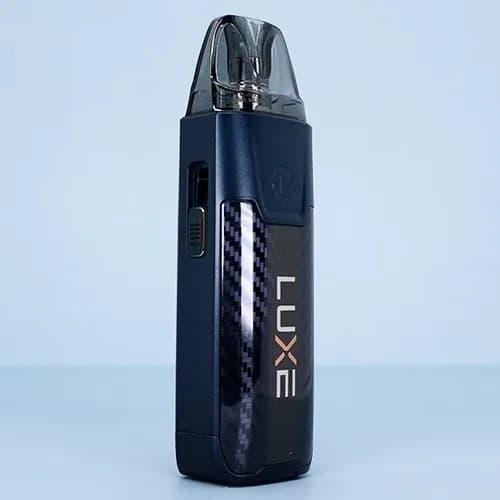
- Refillable vape pens and tanks: Offer better flavor control and variable power. Ideal for intermediate users who want customization.
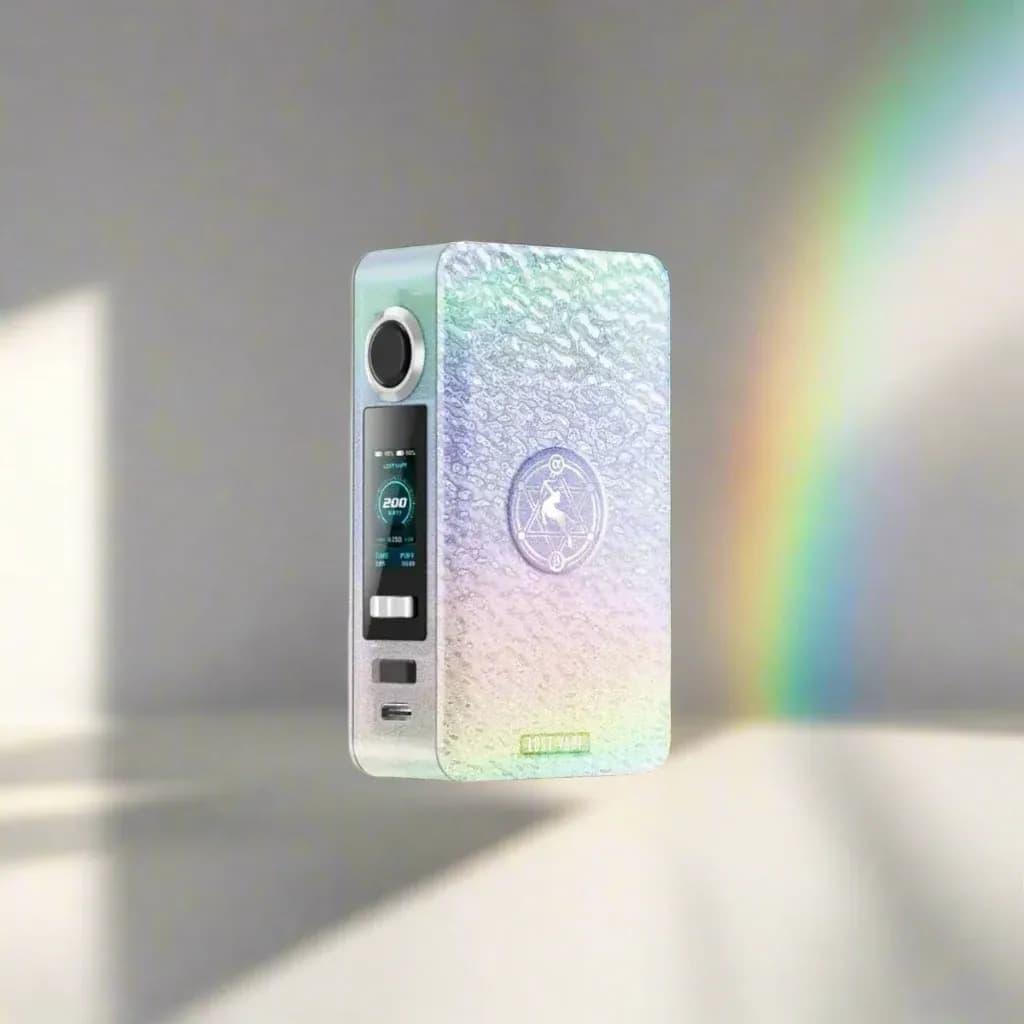
- Box mods and regulated devices: High-power and feature-rich for advanced users who adjust wattage, temperature, and coils.
Key buyer criteria for top e-cigarettes
1. Reliability and build quality
Look for well-finished connections, sturdy materials, and positive user reviews on longevity. Wire connections, 510-thread quality, and mouthpiece stability matter for daily reliability.
2. Battery performance and safety
Battery is fundamental. Choose devices with certified batteries, integrated protections (short-circuit, overcharge, temperature cutoff), and clear charging protocols. If a device uses removable batteries, buy reputable cell brands and store them safely.
3. Coil and wicking materials
Coil composition (Kanthal, stainless steel, nickel, nickel-chromium blends) and wicking (cotton, ceramic) affect flavor and thermal behavior. Understand if you prefer low-resistance direct-lung setups or higher-resistance mouth-to-lung styles.
4. E-liquid compatibility and nicotine delivery
Nicotine salt formulations are common in compact pods and disposable units, providing smoother throat hit at higher nicotine levels. Freebase nicotine is common in sub-ohm setups. Match the device to your desired nicotine delivery and flavor profile.
5. Ease of maintenance
Modular designs with simple coil swaps and accessible tanks reduce frustration. Rebuildable atomizers require skill but can be economical for advanced users.
6. Regulatory compliance and labeling
Buy products that include clear labeling, ingredient lists, and compliance information for your region. Packaging that discloses nicotine levels, warnings, and manufacturer contact suggests better quality control.
Shopping tips and comparison strategy
Follow a systematic approach: define priorities (budget, portability, flavor vs. vapor production), shortlist devices, read multiple independent reviews, and cross-check replacement part costs. When comparing options, weigh upfront price against ongoing expense for coils, pods, and e-liquid. For many consumers, the cheapest device up front becomes more expensive over time if proprietary refill parts are costly.
Practical buying checklist
- Does the device include battery protections and clear charging specs?
- Are replacement coils or pods widely available and competitively priced?
- Does the device support your preferred nicotine type (salt vs freebase)?
- Is the device easy to clean and maintain?
- Are there credible reviews and warranty support?
- Does the manufacturer publicly provide materials and ingredient transparency?
Health considerations and the evolving evidence base
Understanding the effects of e-cigarettes on health requires nuance. Research indicates that while e-cigarettes typically contain fewer toxic substances than combustible cigarettes, they are not without risks. Key themes from current studies include:
Reduction in combustion-related toxins
Compared with cigarette smoke, aerosol from e-cigarettes usually has lower concentrations of carcinogens and combustion by-products. For adult smokers who switch completely, many experts view vaping as a harm-reduction tool that can reduce exposure to some toxicants.
Cardiopulmonary effects
Short-term studies show that inhalation of vapor can affect heart rate, blood pressure, and endothelial function in some users. Long-term cardiovascular risk data remains incomplete. People with underlying heart or lung disease should exercise caution and consult healthcare professionals.
Respiratory outcomes
Vaping can cause airway irritation, coughing, and shortness of breath in sensitive individuals. There have been rare but serious cases of acute lung injury associated with adulterated products; the overall pattern suggests inhalation of any heated aerosol may carry respiratory risk compared to non-use.
Nicotine dependence and youth risk
Nicotine is addictive and poses risks for adolescents and pregnant people. Nicotine exposure during adolescence can harm brain development. Policies and purchasing vigilance aim to limit youth access to flavored or attractively marketed products.
Uncertainties and research gaps
Because large-scale epidemiological data spanning decades is not yet available for vaping, many long-term risks remain uncertain. Ongoing cohort studies and surveillance efforts in multiple countries continue to refine understanding of chronic effects.
Interpreting research responsibly
When assessing literature about the effects of e-cigarettes on health, consider study design: cross-sectional surveys, short-term clinical trials, and long-term cohort studies each provide different strengths. Pay attention to funding sources, product types studied, and whether the research measures absolute harms or relative risk compared to smoking. Independent meta-analyses and systematic reviews can help synthesize evidence across studies.
Harm-reduction perspective and real-world advice
Risk reduction emphasizes complete substitution of combusted tobacco with less harmful alternatives where cessation is not achieved. For adult smokers who cannot quit, switching to less harmful nicotine delivery systems under medical guidance may reduce exposure to many toxicants. However, non-smokers should avoid initiating nicotine use via vaping.
Safety best practices for device use
- Purchase from reputable retailers to reduce the risk of counterfeit or adulterated products.
- Follow manufacturer charging and storage instructions; avoid overcharging and extreme temperatures.
- Use the correct batteries and replace worn parts promptly.
- Avoid modifying devices unless you have technical knowledge; rebuildables require training on ohm’s law and safe battery handling.
- Do not add substances not intended for inhalation to e-liquids.
Selecting flavors and nicotine strengths
Flavor choice strongly affects satisfaction. If the goal is to quit combustible cigarettes, many smokers find nicotine salt formulations with higher nicotine by volume offer faster craving control in compact devices. Conversely, those wanting lower nicotine exposure can gradually step down nicotine strength while maintaining behavioral rituals using less concentrated e-liquids.
Maintenance and cost optimization
 top e-cigarettes in 2026 with buyer tips and the latest evidence on effects of e-cigarettes on health” />
Regular cleaning of tanks, replacement of wicks and coils, and using quality e-liquids extends device life. Track monthly spending on coils and e-liquids to determine the real cost of vaping. Refillable systems generally lower ongoing costs compared to disposables or proprietary pod systems with expensive refills.
Regulatory and quality markers to seek
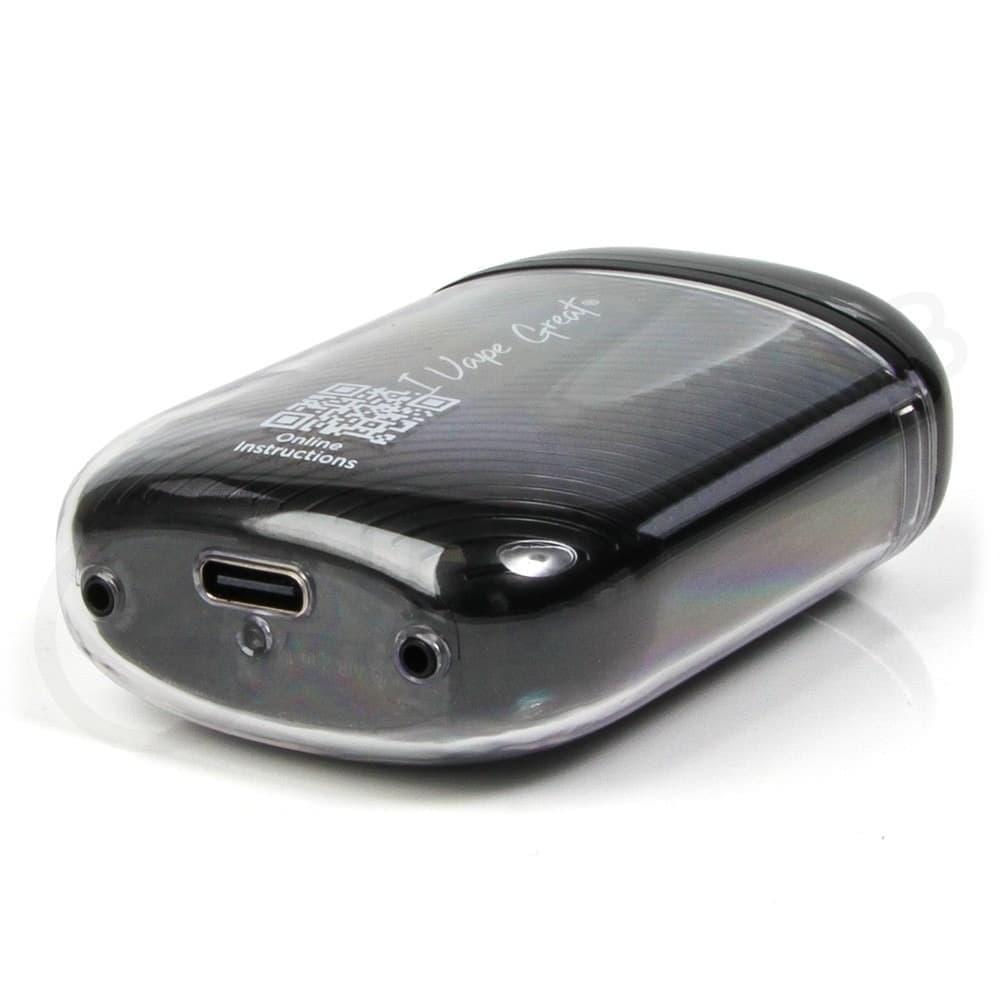
Look for CE/UKCA/UL-like safety marks relevant to your country, batch codes, QR codes linking to product testing, and transparent ingredient lists. Products that offer lab-tested e-liquid reports and third-party verification are good indicators of quality control.
How to choose among the current ‘top’ options
Rather than chase any single ranked list, compare models against your checklist. Evaluate consumer feedback for reliability, flavor, and support. For many users, the best compromise between convenience and long-term value is a mid-range refillable pod or tank with widely available replacement components. If portability is the top priority, high-quality disposables or compact pod kits will be preferable.
Quick decision matrix
| Priority | Suggested device category |
|---|---|
| High convenience, minimal maintenance | Disposable or pre-filled pod |
| Balanced cost and control | Refillable pod system |
| Maximum customization | Regulated mod with tank or RTA |
Shopping and post-purchase checklist
On purchase: register product if available, save receipts, inspect packaging for seals and testing info, and verify replacement part compatibility. After purchase: learn to clean the device, maintain coils, and store e-liquids safely away from children and pets.
Summary and responsible recommendations
This guide has outlined how to evaluate and select among the top e-cigarettes in contemporary markets while summarizing what science currently indicates about the effects of e-cigarettes on health. Key takeaways: match device type to your needs, prioritize safety features and transparent labeling, use nicotine responsibly, and stay informed as new research emerges. For adult smokers seeking less harmful alternatives, complete substitution may reduce exposure to several toxic compounds found in cigarette smoke; for non-smokers—particularly youth and pregnant people—initiation of vaping is not recommended.
Further resources and staying informed
Monitor public health agency updates and peer-reviewed literature for evolving guidance. Engage with healthcare professionals for personalized advice about quitting combustible tobacco or managing nicotine dependence.
Recommended habits for minimizing risk
Maintain device hygiene, avoid illicit products, reduce nicotine strength gradually if desired, and seek support from cessation services when attempting to quit. Remember that evidence about long-term outcomes continues to develop; prudent choices and reputable suppliers reduce avoidable harms.
Community feedback and review signals
Look for sustained positive feedback across multiple review platforms instead of one-off endorsements. Pay attention to recurring issues like leakage, battery problems, or inconsistent coil performance.
When to seek medical advice
If you experience persistent coughing, chest pain, breathing difficulty, allergic reactions, or unusual systemic symptoms after vaping, stop use and consult a healthcare professional immediately. Keep product information and e-liquid details available for clinical assessment.
Closing perspective
Choosing among the top e-cigarettes is a balance of device engineering, ongoing costs, and individual health priorities. In parallel, understanding the effects of e-cigarettes on health helps frame choices within a broader public-health and personal-risk context. Stay informed, prioritize safety, and adapt choices as new, higher-quality evidence emerges.
FAQ
Q: Are e-cigarettes safer than smoking conventional cigarettes?
A: Current evidence suggests vaping typically exposes users to fewer toxicants than combustible tobacco, which may reduce some risks for adult smokers who switch completely; however, vaping is not risk-free and long-term effects are still being studied.
Q: How can I find reliable information about a device’s safety?
A: Look for third-party testing, transparent ingredient lists, established manufacturer history, regulatory compliance markings applicable in your region, and consistent user reviews.
Q: Is nicotine-free vaping a safe alternative?
A: Nicotine-free e-liquids remove nicotine-related addiction risk but still involve inhalation of aerosolized substances; they are not necessarily risk-free for respiratory health.