
Smart buyer’s roadmap for selecting a top vaping device and what recent research is showing about switching from cigarettes
Choosing a personal vaporizer that meets your needs requires more than style — it needs a checklist, a clear understanding of nicotine delivery, safety, and realistic expectations about quitting combustible tobacco. This guide combines a practical purchasing checklist with a concise, evidence-focused review so you can compare options and better understand the role of best e-cigarette products and emerging data on e-cigarettes and smoking cessation.
Why a checklist matters
Many shoppers jump to aesthetics or brand names and later regret poor battery life, leaky pods, or harsh throat-hit. A durable checklist helps you evaluate devices consistently and make an informed choice that supports either long-term switching or occasional nicotine use. Throughout the guide you’ll see targeted references to best e-cigarette features and to how these choices interact with cessation strategies such as counseling and behavioral supports around e-cigarettes and smoking cessation.
Overview of device families
- Starter pod systems: Compact, easy to use, low maintenance — ideal for new users trying to leave cigarettes.
- Refillable pod mods: Flexible e-liquid choices, better flavor control, moderate vapor production.
- Open-system tanks: For advanced users wanting high customization (coils, power, airflow).
- Disposable vapes: Convenient short-term option but may be less cost-efficient and generate more waste.
Core checklist categories
- Nicotine delivery and formulation — Does the device support nicotine salts (smoother at higher strengths) or freebase nicotine? If your goal is smoking substitution, nicotine delivery that approximates cigarette satisfaction can be essential. Look for devices compatible with the nicotine concentration you plan to use for tapering.
- Battery life and charging — Battery capacity is measured in mAh. For daily smokers switching to vaping, aim for a device with at least 800–1500mAh or fast USB-C charging to avoid interruption to a quit attempt.
- Ease of use — Top-rated simple units offer draw-activated firing and pre-filled pods, while advanced devices will require coil changes and wattage adjustments; match complexity to your comfort level.
- Maintenance and cost — Replaceable coils, pod prices, and e-liquid cost determine long-term value. Calculate a monthly estimate based on typical consumption.
- Safety features — Overcharge protection, short-circuit protection, and certified batteries lower risk. Prefer devices with firmware from reputable manufacturers or appliances that meet recognized safety standards.
- Regulation and quality control — Seek products compliant with local laws (TPD in EU, state/FDA frameworks where applicable) and avoid unregulated black-market devices.
- Ergonomics and airflow — Mouth-to-lung (MTL) vs direct-to-lung (DTL) draw influences throat hit and vapor volume. MTL devices simulate cigarette sensation more closely.
- Materials and build — Stainless steel or zinc alloy frames and PCTG/PEI tanks resist heat and degradation; avoid unknown plastics near heating elements.
- Flavor and coil options — Coil resistance (ohms) and wicking material affect flavor and nicotine absorption; lower resistance typically yields more vapor and battery drain.
- Environmental and disposal considerations — Rechargeable systems cut waste vs single-use disposables. Check for recycling programs for batteries and pods.

Applying the checklist: a short decision flow
Start by identifying your primary goal: cessation or occasional nicotine replacement? If you aim to quit smoking, prioritize nicotine strength and devices that can deliver satisfactory throat hit and inhale experience. If maintenance and cost are high concerns, favor refillable pods or mid-range mods with durable coils. For casual use, a disposable or simple pre-filled pod may suffice. Ultimately, the best e-cigarette for one smoker may not suit another; context matters.
Understanding evidence: what the latest studies say about quitting
Research on e-cigarettes and smoking cessation has expanded rapidly. Key randomized controlled trials and meta-analyses have examined whether electronic nicotine delivery systems (ENDS) can help people stop smoking cigarettes. Notably, certain trials comparing e-cigarettes to nicotine-replacement therapy (NRT) have found higher short- to medium-term quit rates in the e-cigarette arms when combined with behavioral support. However, the evidence base includes a range of study designs with differing devices, nicotine strengths, and follow-up times, so interpretation requires nuance.
Highlights from randomized trials
- Several pragmatic randomized studies show that when paired with counseling, nicotine-containing e-cigarettes can be more effective than patches or gum in achieving abstinence at 6–12 months.
- Device type matters: studies that used modern pod systems or nicotine-salt formulations often report better outcomes than trials using early generation devices.
Observational data and population impact
Large observational studies and ecological analyses assess whether increased e-cigarette prevalence correlates with reductions in smoking rates. Many countries with expanding access to regulated ENDS have seen declines in cigarette consumption, suggesting a potential public health benefit through harm reduction. Yet observational studies can be confounded by policy changes, taxation, and public awareness campaigns, making causal attribution challenging.
Biomarkers and harm reduction
Biomarker research indicates that switching completely from combustible cigarettes to e-cigarettes reduces exposure to many combustion-related toxicants. While vaping is not harmless, the measurable decline in harmful byproducts supports the premise that substitution can lower certain smoking-related risks. The magnitude of risk reduction depends on complete substitution rather than dual use.
Key concerns and limitations
- Dual use: Many smokers use both cigarettes and e-cigarettes simultaneously, which may reduce but not eliminate harm.
- Long-term safety: Longitudinal data over multiple decades are limited compared to the extensive data on combustible smoking.
- Youth uptake: The rise in youth vaping is a major public health concern; preventing non-smoking youth from initiating nicotine use is critical.
- Quality of products: Variability in device design and e-liquid constituents means outcomes depend on what products are used.
Integrating a device choice with a quit plan
Practical steps for smokers considering a switch:
- Consult a healthcare professional to review medical history and discuss interactions with existing quit medications.
- Choose a device that matches your preferred inhalation style — MTL devices and nicotine salts often emulate cigarettes closely and are frequently recommended for cessation-oriented users.
- Start with a nicotine strength that reduces cravings; many adult smokers find 10–20 mg/mL nicotine salts or higher effective for initial transition, but individual needs vary.
- Pair the device with behavioral support: counseling, digital programs, or quitlines increase success rates when combined with nicotine delivery.
- Plan to taper nicotine gradually if the goal is complete nicotine cessation; set milestones and monitor withdrawal symptoms.
- Track progress and biochemical markers if possible (CO monitoring) to validate smoke-free status.
How to evaluate claims and marketing
Advertising can overpromise; reputable manufacturers provide clear ingredient lists and voluntary product testing results. Look for third-party lab analysis of e-liquids, clarity on nicotine content, and transparent safety documentation. A product described as the best e-cigarette in ad copy may not be ideal for cessation — focus on function, reliability, and compatibility with your quit plan.
Choosing flavors and transition strategies
Flavors play a complex role: they can help adult smokers switch by improving palatability, yet they also increase youth appeal. If quitting is your primary aim, select flavors that reduce the urge to return to cigarettes; some smokers find non-tobacco flavors helpful to dissociate from smoking rituals.
Practical buying walkthrough
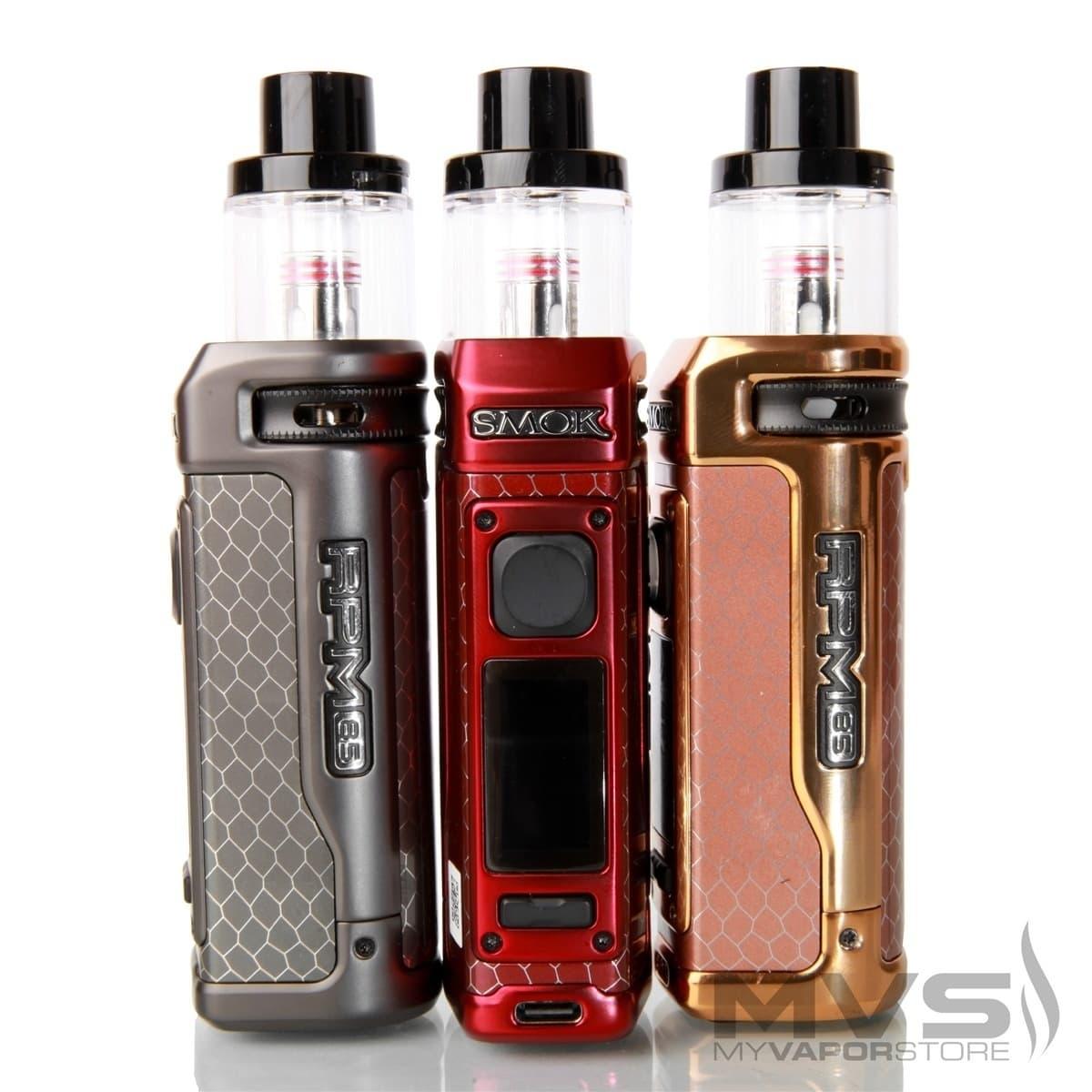 best e-cigarette and emerging evidence on e-cigarettes and smoking cessation” />
Step-by-step shopping tips:
- Read recent reviews and independent tests from reputable sources to check battery life, leakage rates, and coil longevity.
- Check the warranty and customer support — longer coverage can indicate manufacturer confidence.
- Compare ongoing costs including coils, pods, and e-liquid; sometimes a higher upfront cost yields lower monthly expenses.
- Assess safety marks and certifications; avoid devices without basic electrical protections.
- Buy from authorized retailers to avoid counterfeit products that may have poor quality control.
When to upgrade or replace
Replace coils or pods when flavor diminishes, and upgrade devices if battery life no longer supports daily use or if you need improved nicotine delivery for quitting. Dispose of lithium batteries and e-waste responsibly via local recycling programs.
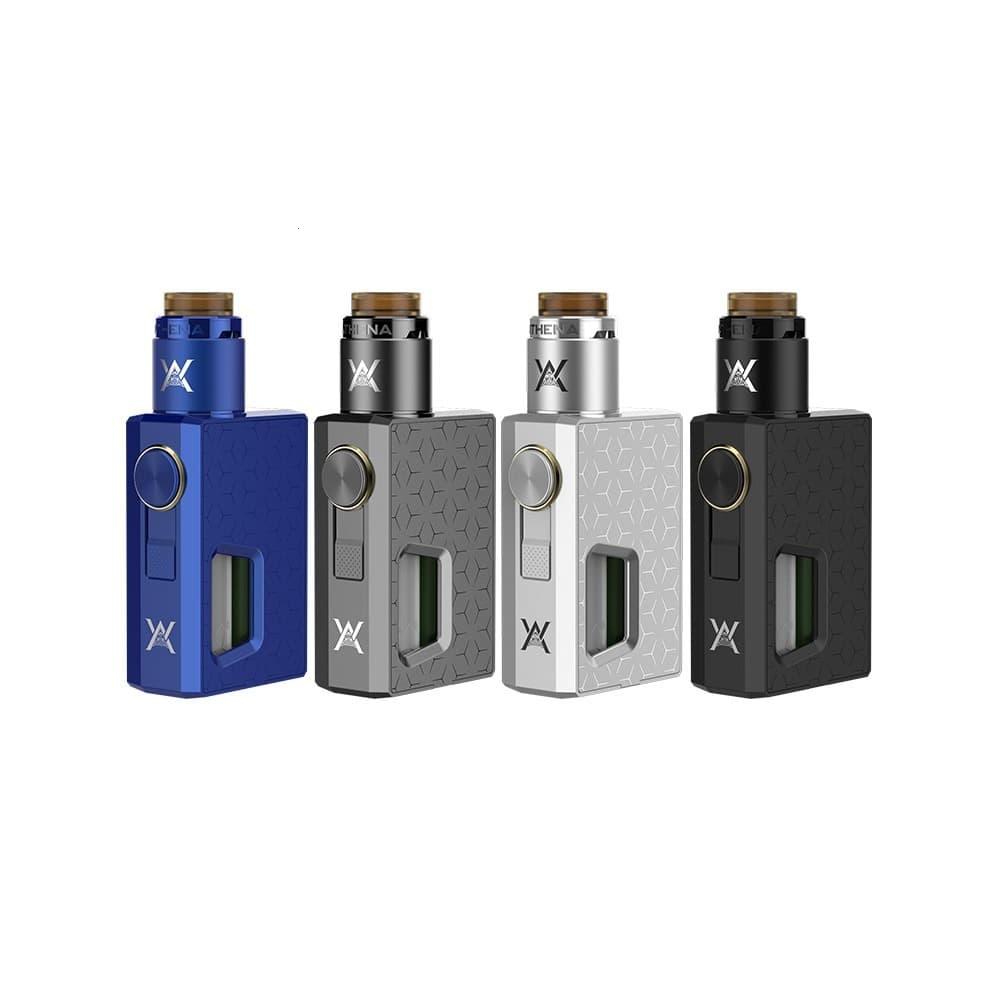
Practical tips for maximizing success with a vape-assisted quit attempt
Set a quit date, prepare your device and supplies in advance, and remove cigarettes from easy reach. Use behavioral triggers replacement — e.g., take a vape break after a meal instead of lighting up. Keep a diary of cravings and triggers, and seek support from peers or professionals. If the initial device fails to control cravings, consider switching to a different device type or nicotine strength rather than returning to cigarettes.
Regulatory and policy context
Local regulations influence product availability and recommended practice. For instance, the Medicines and Healthcare products Regulatory Agency (MHRA) in the UK has provided guidance supporting regulated e-cigarettes as a quit aid under certain frameworks, while other jurisdictions regulate ENDS differently. Familiarize yourself with local rules to ensure access to safe, compliant products.
Checklist summary: quick reference
- Nicotine type and strength compatibility
- Battery capacity and charging method (USB-C preferred)
- MTL vs DTL airflow matching smoking style
- Device reliability, warranty, and third-party testing
- Long-term cost estimates and environmental impact
- Regulatory compliance and product traceability
Use this summary to compare contenders when searching for the best e-cigarette for your quitting goals and to frame expectations about what e-cigarettes and smoking cessation research can realistically support.
Monitoring and next steps after switching
After transitioning, monitor for persistent cough, chest tightness, or other symptoms and consult a clinician if concerns arise. Consider follow-up CO testing to confirm abstinence from cigarettes and use that tangible feedback to reinforce progress.
When to seek professional help
If multiple attempts with devices and behavioral programs fail, discuss prescription pharmacotherapies and structured cessation programs with a healthcare provider. Some smokers benefit from combination therapy (e.g., varenicline plus behavioral support) when vaping does not achieve abstinence.
Final considerations: balancing personal benefits and public health
For adult smokers seeking to quit, selecting an appropriate device and support plan can increase the likelihood of success. Policymakers and clinicians weigh population-level benefits against concerns about youth uptake. In practice, a careful, regulated approach that prioritizes adult cessation while minimizing youth exposure offers a reasonable balance. When shopping, emphasize function over hype — the real goal is sustained replacement of combustible cigarettes with a safer alternative, if complete cessation of nicotine is not immediately achievable.
Key takeaways
- The best e-cigarette is the one that reliably reduces your cigarette cravings, fits your routine, and is safe and compliant with regulations.
- Emerging evidence on e-cigarettes and smoking cessation supports their role as an effective tool for some smokers, particularly when combined with counseling.
- Complete substitution yields the largest health benefit; dual use reduces potential gains.
- Choose products from reputable sources, track progress, and seek professional support when needed.
This guide provides a practical, research-aligned framework to help you shop intelligently and evaluate how vaping may assist you in quitting. Use the checklist to narrow choices, pair device selection with behavioral support, and remain aware of evolving evidence and local regulations.
FAQ
A: Evidence indicates that nicotine-containing e-cigarettes can help some smokers quit, often more effectively than nicotine replacement therapy when combined with behavioral support; individual outcomes vary.
A: Many clinicians recommend an MTL pod system with nicotine salts for smokers because it better mimics cigarette draw and provides smoother high-nicotine delivery.
A: Yes — use devices with basic electrical protections, avoid modified or counterfeit hardware, and consult a clinician if you have respiratory or cardiac conditions.
A: Long-term goals vary; for maximal health benefit aim for complete cessation of combusted tobacco first, then consider gradual nicotine tapering if desired.