
Latest industry roundup: what recent e-cigarette news means for consumers
This comprehensive briefing synthesizes recent reports, regulatory shifts, lab findings and expert commentary so readers can make informed choices about electronic cigarette oil and related products. In a rapidly evolving landscape, staying current on the most reliable e-cigarette news sources is essential for harm reduction-minded adults, clinicians advising patients, and retailers who want to maintain safe inventories. Below we unpack the most relevant items from the last 12 months, interpret their practical significance for safety and quality, and offer step-by-step guidance for selecting and handling electronic cigarette oil responsibly.
Executive summary
Key takeaways from the latest e-cigarette news include: increasing regulatory scrutiny of ingredients and labeling, more routine availability of third-party lab test results for popular brands, mounting research on long-term aerosol chemistry, and persistent issues with counterfeit and mislabeled electronic cigarette oil. For consumers, the safest approaches are to prioritize products with transparent testing, avoid illicit sources, understand nicotine concentrations and base ratios, and learn safe storage and handling practices. This article covers news highlights, detailed ingredient and product analysis, buying checklists, and actionable tips for reducing risk when using electronic cigarette oil.
Why current e-cigarette news matters
The torrent of studies and regulatory announcements has direct implications for product formulation and the information available to buyers. Some countries are tightening flavor rules or requiring batch-level certificates of analysis (COAs). This matters because COAs confirm nicotine levels, identify contaminants like heavy metals or solvents, and sometimes quantify specific flavoring compounds. A surge in publicized recalls and test failures in the news cycle highlights the need for consumers to treat electronic cigarette oil like any other inhaled substance: demand transparency and validated testing data.
Recent regulatory and scientific updates
- Regulation
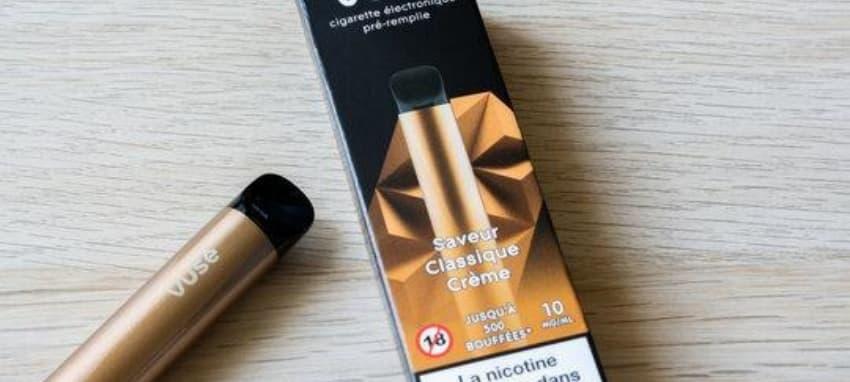 : Several jurisdictions have clarified that manufacturers must disclose nicotine content and certain additives on packaging; failure to comply has led to market withdrawals reported across global e-cigarette news feeds.
 - Testing: Independent labs are increasingly offering accessible COAs linked by QR codes on product boxes. These COAs analyze both nicotine concentration and impurities such as diacetyl, acetyl propionyl, heavy metals and residual solvents.
- Research: Aerosol chemistry papers are focusing on thermal degradation of flavor compounds and the formation of potentially harmful aldehydes at high coil temperatures. This scientific e-cigarette news underscores the interplay between device settings and the safety profile of electronic cigarette oil.
- Counterfeits: Enforcement actions against counterfeit product networks have been frequent in recent months. Criminal actors often sell diluted or contaminated electronic cigarette oil, which shows up in public e-cigarette news reports.
Understanding product labels and COAs
Product labels and COAs are your primary tools to verify safety claims. When evaluating COAs, check for: testing lab accreditation (ISO 17025 preferred), date and batch number matching the product, parameters tested (nicotine, pH, contaminants), and the lab’s signature. Notice that some brands use generic or internal test reports; independent lab COAs carry more credibility. Remember that good e-cigarette news stories often reference COAs when covering product recalls or safety alerts.
Understanding the liquid: nicotine, VG/PG, and flavorings
Most electronic cigarette oil is a blend of propylene glycol (PG), vegetable glycerin (VG), nicotine (optional), and flavor concentrates. Each component affects sensation, throat hit, vapor production and, crucially, inhalation chemistry. PG carries flavor well and delivers a stronger throat hit; VG produces denser vapor. Nicotine concentrations are commonly labeled in mg/mL or percent. In recent e-cigarette news, mislabeled nicotine levels have been a recurring issue, which reinforces the need to verify COAs or buy from reputable suppliers.
Flavoring safety and thermal breakdown
Flavors are a complicated area: many food-grade flavor chemicals have not been thoroughly studied for inhalation safety. Recent scientific e-cigarette news has highlighted specific flavoring molecules that can form toxic byproducts or cause respiratory irritation when heated. Avoid oils that list vague “proprietary” blends instead of specific flavor components. Brands that publish explicit flavor ingredient lists and independent inhalation-safety testing should rank higher on your trust list.
Checklist for choosing safer electronic cigarette oil
- Verify a batch-specific COA from an accredited lab; confirm the product’s batch number and manufacturing date.
- Prefer nicotine salts or freebase formulations from reputable brands that provide concentration details and stability data.
- Avoid products with ambiguous or generalized ingredient statements; require full flavoring disclosure when possible.
- Check for peer or community reviews that discuss consistency and accuracy of nicotine strength compared with COAs and device compatibility.
- Watch for red flags in e-cigarette news such as voluntary recalls, enforcement actions, or repeated quality complaints.
How to read COAs: a practical primer
COAs typically list test methods and results. Look for the following sections: identity confirmation of nicotine, measured concentration (mg/mL), test results for solvents like ethanol or acetone, presence/absence of specific aldehydes, heavy metals (lead, cadmium), and microbial testing for water-based products. If a COA is absent, request it before purchase or consider another supplier. Many high-quality vendors are transparent and link COAs directly on their product pages — this practice has been emphasized repeatedly in credible e-cigarette news outlets as a hallmark of responsible manufacturers.
Device considerations that affect oil safety
Device power, coil resistance, wicking materials and airflow all influence how electronic cigarette oil is aerosolized. High-wattage devices with sub-ohm coils can heat liquids to higher temperatures, increasing the risk of thermal decomposition of flavoring chemicals. Recent device-related e-cigarette news reports connect improper coil installation or inappropriate power levels to burnt tastes and elevated aldehyde production. Match your oil (VG/PG ratio and nicotine type) to your device; manufacturers often provide recommendations for compatible device types.
Top practical tips for safer day-to-day use
- Store oils in cool, dark places and keep away from children and pets; many accidental exposures are reported in consumer safety e-cigarette news updates.
- Use child-resistant caps and avoid decanting into unlabeled containers.
- Inspect cartridges and bottles for tampering before purchase; suspicious packaging or missing seals are common signs of illicit products.
- Replace coils and wicks per manufacturer instructions; degraded wicks can cause overheating and unpleasant byproducts.
- Don’t modify devices or exceed recommended wattage ranges for your chosen electronic cigarette oil.
Interpreting nicotine types and dosing
Nicotine in electronic cigarette oil is typically sold as freebase nicotine or nicotine salts. Nicotine salts offer smoother throat sensation at higher concentrations and are often favored in pod systems. Freebase nicotine has a sharper throat hit and is common in higher-power devices. If you are transitioning from combustible cigarettes, consult product labels, COAs and clinical guidance for nicotine equivalence. Recent consumer-focused e-cigarette news has included studies on how nicotine delivery varies with device and liquid type — a reminder that identical numeric concentration values can produce different physiological effects depending on device and formulation.
Spotting counterfeit or illicit electronic cigarette oil
Counterfeit products are a recurring topic in investigative e-cigarette news reports. Indicators include inconsistent packaging, misspellings, absent batch codes, and unusually low prices. Test results for counterfeit liquids often reveal discrepancies in nicotine concentration and the presence of contaminants. If you suspect counterfeits in a retail channel, report them to public health authorities or consumer protection agencies — many recalls began after consumer reports and media coverage amplified suspicious findings.
Addressing common safety incidents
Accidental ingestion, skin exposure to concentrated nicotine, and battery failures are the most frequent safety incidents reported in public e-cigarette news. For liquid spills, wear gloves and wash exposed skin immediately. Call poison control for suspected ingestion and preserve product packaging for investigation. For battery safety, follow manufacturer guidance: use the correct charger, avoid physical damage to batteries, and never transport loose batteries in the same pocket as metal objects.
Emerging trends and what to watch
Several trends are likely to shape upcoming e-cigarette news cycles: expanded mandatory testing regimes in certain regions, clearer standards for flavoring disclosure, growth in lab-verified product lines, and more granular surveillance of long-term aerosol effects. In some markets, companies that publish transparent, batch-specific COAs and participate in voluntary testing consortiums have gained positive media coverage and consumer trust. Watch for updates on international standards and the potential adoption of harmonized testing protocols that could make cross-border product comparisons easier.
Buying guide: step-by-step
Step 1: Check the seller’s reputation and whether product pages link to batch COAs. Step 2: Verify device compatibility and recommended wattage. Step 3: Inspect packaging and look for tamper-evident seals. Step 4: Choose nicotine strength based on your needs and confirm whether it’s a salt or freebase formulation. Step 5: Keep purchase records and retain unused bottles in case of later recalls or adverse reactions. Use this checklist when parsing e-cigarette news that references specific brands or product issues.
How experts evaluate safety claims
Clinicians and toxicologists look for independent verification, reproducible testing methods, and clarity about exposure scenarios. They pay attention to whether testing evaluates the aerosol (what users inhale) rather than just the liquid. Many critical analyses in the scientific corpus and in high-quality e-cigarette news emphasize aerosol-phase chemical analyses because inhalation exposure, not the liquid alone, determines much of respiratory risk.
DIY mixing and refill cautions
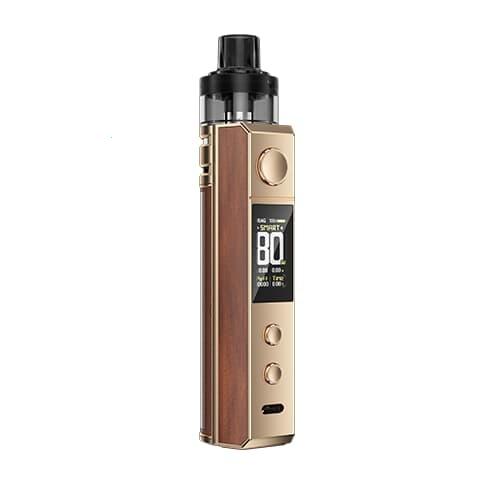
While hobbyist mixing communities share recipes for DIY electronic cigarette oil, the risks include inaccurate nicotine dosing, contamination from poor hygiene, and the use of flavoring concentrates not intended for inhalation. If you choose to mix, use pharmaceutical-grade nicotine from verified suppliers, precise measurements with calibrated syringes, and maintain sterile conditions. Bear in mind many safety incidents covered in watchdog e-cigarette news involve DIY or illicitly modified liquids.
How to safely dispose of unused or expired oil
Do not pour large quantities down drains or into the environment. Check local hazardous waste guidelines: many communities treat nicotine-containing liquids as a potentially hazardous household waste. Used cartridges and coils should be disposed of per battery and electronic waste regulations. Proper disposal reduces environmental and accidental-exposure risks noted in environmental health focused e-cigarette news.
Communicating with clinicians and public health professionals
If you experience respiratory symptoms, palpitations, or other adverse effects after using electronic cigarette oil, seek medical evaluation and bring product packaging and COAs if available. Clinicians increasingly rely on accurate product information from patients to interpret exposures, and timely reporting helps public health agencies identify problematic lots quickly — a mechanism that often triggers news coverage in the most credible e-cigarette news outlets.
Brand reputation and transparency: what to prioritize
Prioritize brands that: list full ingredient information, publish batch-level COAs from accredited labs, provide clear nicotine and base ratios, and have consistent packaging and supply chain traceability. Brands that engage with independent researchers and openly respond to safety inquiries are generally preferable. News stories that highlight corporate transparency or lack thereof can be informative; cross-check brand claims with third-party reviews and lab reports rather than relying solely on marketing messages.
Community surveillance and crowdsourced reporting
Online communities and consumer complaint platforms often surface early signals of product issues before formal regulatory actions appear in mainstream e-cigarette news. While community reports require verification, they can prompt independent testing or focused regulatory inspections. Treat such information as an early warning system and corroborate with formal COAs and accredited lab results.
Practical scenarios and recommended responses
Scenario A: You notice a sudden change in flavor and harsh throat hit. Recommended response: cease use, check the product batch and COA, inspect for device overheating, and if in doubt save the sample for testing. Scenario B: You find a suspiciously cheap listing from an unknown online shop. Recommended response: avoid purchase and report the listing to consumer protection authorities. Both scenarios are commonly described in investigative e-cigarette news, and following conservative safety steps minimizes risk.
Resources for further verification
Reliable sources include peer-reviewed journals that publish aerosol chemistry studies, government public health advisories, and accredited independent testing labs that list ISO 17025 accreditation. Industry groups that self-regulate can provide useful resources, but always corroborate industry-provided data with independent COAs when possible. Many high-quality e-cigarette news outlets link to original studies or COAs, so look for articles that link primary sources rather than relying on sensational headlines.
Final recommendations
1) Favor transparency: always choose electronic cigarette oil with accessible batch COAs. 2) Match liquid characteristics to your device to minimize thermal degradation risks. 3) Avoid illicit markets and unknown brands that lack lab documentation. 4) Maintain safe storage, handling and disposal practices. 5) Stay informed by following reputable public health bulletins and evidence-based e-cigarette news. Combining these practices will lower your risk profile and help you respond quickly to emerging safety issues.
Expert voices: concise guidance from toxicologists and clinicians
Leading experts quoted across trusted e-cigarette news articles recommend focusing on inhalation-relevant testing, demanding full ingredient disclosure, and prioritizing device-liquid compatibility. Toxicologists emphasize that inhalation risk is context-dependent: the same electronic cigarette oil can be safer or riskier depending on wattage, coil choice and user behavior. Clinicians advise users to report adverse events and to switch to verified products if they suspect a quality issue.
Appendix: glossary of key terms
COA — Certificate of Analysis confirming lab-tested parameters; VG/PG — vegetable glycerin/propylene glycol ratios; Freebase nicotine — traditional nicotine form; Nicotine salts — nicotine complexed with acids for smoother delivery; ISO 17025 — accreditation indicating lab competence. These terms frequently appear across scientific and consumer e-cigarette news coverage and help you interpret safety information.
Frequently Asked Questions
- Q: How often should I check COAs for the products I use?
A: Check COAs each time you buy a new batch. Batch-level variation can occur, and reputable vendors will provide updated COAs matching the batch code on your bottle. - Q: Are all flavorings safe for inhalation?
A: No. Food-grade safety does not guarantee inhalation safety. Prefer brands that publish inhalation-relevant testing or avoid certain controversial flavoring chemicals identified in scientific e-cigarette news. - Q: Can I trust vendor-provided test reports?
A: Vendor-provided reports can be useful but verify that the lab is independent and accredited (ISO 17025). Independent reporting and peer-reviewed studies provide more confidence. - Q: What should I do if I experience irritation after using oil?
A: Stop using the product, seek medical advice if symptoms persist, save the product and packaging, and report the issue to public health authorities. If possible, obtain COA details for the batch to aid investigation.
Staying informed by following validated e-cigarette news channels, insisting on COAs, and applying the practical tips above will help users navigate the evolving market for electronic cigarette oil with greater safety and confidence.