
Reassessing Modern Options: A Practical Look at a New Generation of Vape Devices
Why some users consider IBVape a contender for the healthiest e-cigarette label
This long-form review examines design, materials, performance, safety data, and real-world switching experiences to provide a balanced perspective for smokers who are evaluating alternatives. The goal is to help curious switchers understand whether IBVape can legitimately claim to be the healthiest e-cigarette among present offerings, and to give practical guidance on how to assess risk, reduce harm, and pick a device and routine that work for them.
Context and intent: harm reduction vs. absolute safety
Before diving into specifics, it is important to state the difference between “less harmful” and “safe.” No nicotine-containing aerosol device is completely risk-free, but many public health experts accept that non-combustible options can reduce exposure to toxicants when compared to combustible cigarettes. This article focuses on relative risk, user experience, and technical features that may influence harm reduction potential for adult smokers considering a switch.
Design philosophy and materials
The physical construction of a vape device matters. Devices that prioritize high-quality inert materials, precise temperature control, and leak-resistant cartridges can reduce the formation of unwanted byproducts. IBVape emphasizes medical-grade contact surfaces, ceramic heating elements, and sealed fluid pathways in certain models. These engineering choices are intended to limit thermal degradation of the e-liquid and minimize metal leaching.
Manufacturers that market a device as a potential “healthier” option often highlight: consistent wattage/temperature control, robust battery management, and replaceable cartridges to avoid repeated coil deterioration. When evaluating claims related to the healthiest e-cigarette, inspect the materials list, quality-control documentation, and whether the device uses low-surface-area wicking that avoids dry hits.
Heating method and thermal stability
The way a device heats e-liquid strongly influences the chemistry of the aerosol. Ceramic and mesh heaters provide more even heating than thin wire coils and can reduce hotspots that create carbonyls. Independent lab tests that measure carbonyl compounds, volatile organic compounds (VOCs), and metals are crucial for substantiating “healthiest” claims. Brands like IBVape that publish third-party analytical data or engage with accredited labs make it easier for consumers to verify safety-related assertions.
Nicotine formulation and alternatives
Beyond hardware, the e-liquid formulation plays a central role in harm profiles. Key considerations include nicotine salt vs. freebase forms, solvent purity, absence of vitamin E acetate or unsafe cutting agents, and flavoring safety. A device optimized for nicotine salts can deliver satisfaction at lower temperatures and lower aerosol volumes, which can reduce exposure to some thermal byproducts. IBVape product lines that pair controlled heating with carefully formulated e-liquids can be attractive to those seeking a harm-reduction pathway.
User behavior and exposure
Device properties matter, but user behavior often drives exposure outcomes. Puff duration, frequency, and device power settings determine the total mass of aerosol inhaled and its composition. Switching guidance that encourages lower-power, shorter puffs and regular cartridge changes can help reduce cumulative exposure. When marketing a device as a potential healthiest e-cigarette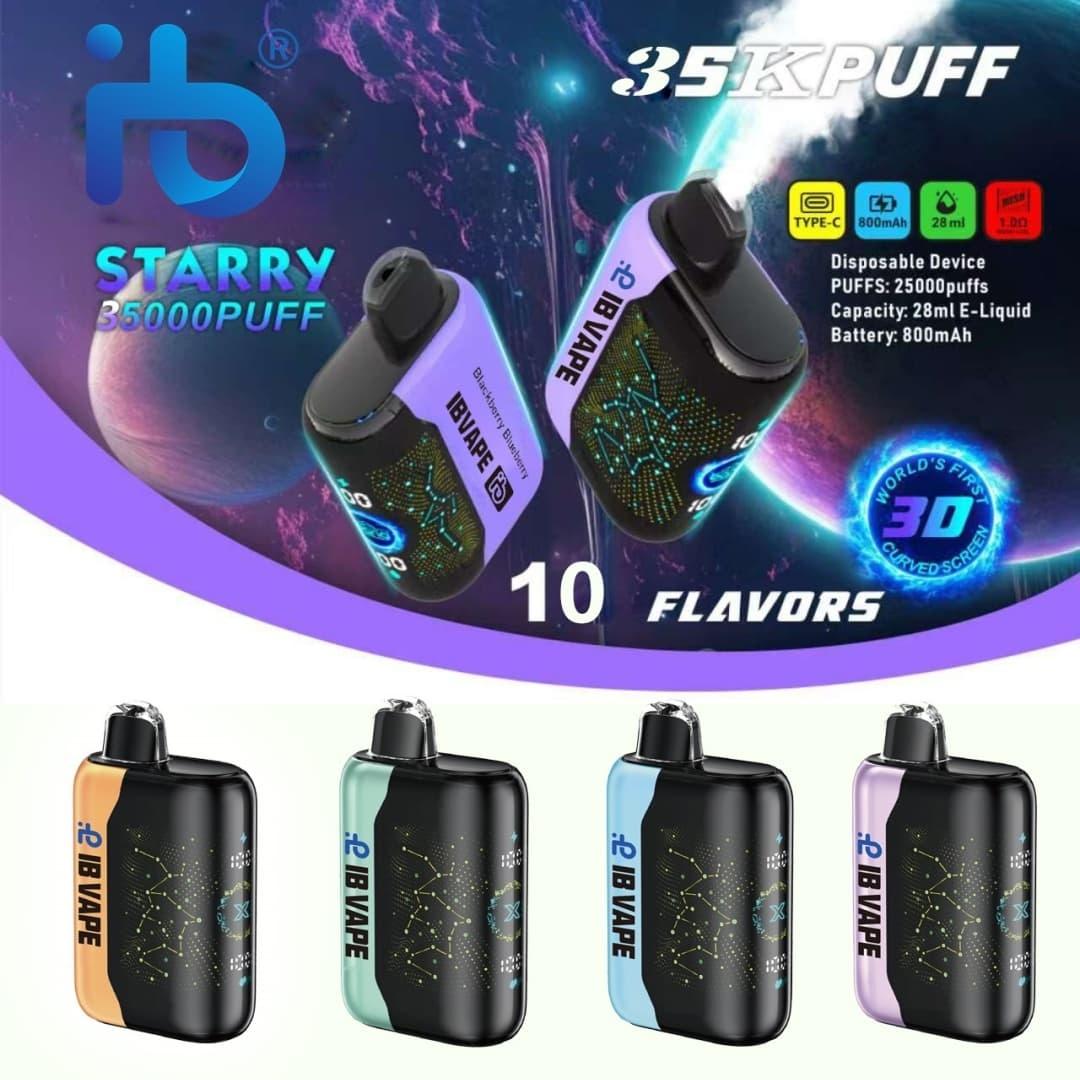 , responsible manufacturers also provide clear user instructions and promote safer usage patterns.
Battery safety and failure modes
Battery design influences both immediate safety (thermal runaway, short circuits) and long-term reliability. Reputable brands use protected cells, smart charging, and temperature monitoring. For adult switchers who want fewer surprises, look for CE, UL, or similar certification marks and user reviews that report reliability. IBVape IBVape May Be the Healthiest e-cigarette Option for Vape Switchers” /> and similar brands that emphasize battery management reduce risk factors that are unrelated to inhalation chemistry but crucial for overall device safety.
Real-world performance: flavor, throat hit, and satisfaction
Success in switching from combustible cigarettes depends heavily on subjective satisfaction. A device that delivers consistent throat hit, predictable nicotine delivery, and agreeable flavor is more likely to replace cigarette use. For many smokers, this practical outcome—complete substitution for combusted tobacco—matters more than incremental analytical improvements. If a product marketed as the healthiest e-cigarette fails to satisfy, it may not produce the public-health benefit of reduced smoking.
Independent testing and transparency
Transparency is a key differentiator. Brands that publish independent lab reports on metal content, carbonyl levels, and particle size distributions provide consumers and clinicians with the information needed to evaluate relative risk. IBVape models that commission third-party testing and make the results accessible earn credibility. Look for testing dates, accredited lab identifiers, and clear descriptions of the methods used to assess aerosol chemistry.
Comparisons with other categories
Not all vaping devices are equal. Cigalikes, pod systems, mods, and heated-tobacco products each have distinct performance and risk profiles. Pod systems with low wattage and nicotine salts often reduce puff volumes and temperatures, which can lower some toxicant formation compared to high-power sub-ohm vaping. Claims of a single “healthiest” device are context-dependent: the healthiest option for a heavy smoker may differ from the healthiest option for someone who vapes only occasionally. When evaluating whether IBVape stands out, consider the use-case (daily heavy smoker vs. light social user), nicotine needs, and prior experience with devices.
Regulatory posture and product stewardship
Brands that engage responsibly with regulators and adopt voluntary quality measures increase consumer confidence. This includes robust manufacturing controls, child-resistant packaging, and responsible marketing. A device with strong stewardship is more likely to be produced consistently and according to standards that reduce potential risks associated with contamination or mislabeling.
Environmental and end-of-life considerations
Device sustainability and waste management are often overlooked. Rechargeable systems that use replaceable pods reduce single-use plastic but introduce batteries that must be recycled. Some companies run take-back programs or provide clear recycling instructions. When thinking about the overall “healthiest” approach, environmental impacts and proper disposal are part of a responsible product lifecycle.
Clinical and observational evidence
Long-term clinical data on vaping are still accumulating. Short-term biomarker studies often show reductions in smoke-related toxicants when smokers switch completely to non-combustible alternatives. However, device-specific long-term studies are limited. If a manufacturer like IBVape commissions post-market surveillance, user registries, or collaborates on independent cohort research, that strengthens the evidence base for their harm-reduction claims.
How to assess claims and make a practical decision
- Demand documentation: third-party lab reports and clear ingredient lists.
- Match device features to your needs: nicotine delivery, battery life, and form factor.
- Prioritize devices with controlled temperature and stable heating elements to minimize byproducts.
- Choose reputable brands with good customer support and clear usage instructions.
- Monitor satisfaction: the best harm-reduction device is one you will actually use instead of smoking.
Case study: switching trajectory and harm reduction
Consider an adult smoker who switches from combusted tobacco to a calibrated pod system that delivers nicotine at a level that replicates their previous intake. If the device’s hardware minimizes high-temperature hotspots and the e-liquid formulation avoids risky additives, biomarkers often show meaningful reductions in several toxicants within weeks. While no single device guarantees ideal outcomes, pairing a well-engineered product with good user guidance increases the likelihood of meaningful exposure reduction. Many anecdotal accounts highlight IBVape as meeting these practical criteria, though individual results vary.
Practical tips for adult switchers
- Start with a nicotine level that approximates what you get from cigarettes to avoid relapse.
- Use short, steady puffs and avoid chain vaping at high power.
- Change pods/cartridges before flavor fades to prevent coil buildup.
- Charge devices with the manufacturer-approved charger and avoid third-party batteries.
- Keep e-liquid away from children and pets and follow disposal instructions.
Weighting competing priorities
Consumers balancing flavor, convenience, and perceived safety should weigh all factors. If a low-temperature, salt-nicotine pod system lets a smoker quit combustible cigarettes, that behavioral change may yield substantial health gains. Nevertheless, marketing hyperbole should be met with skepticism: “healthiest” is a comparative concept, not an absolute promise. Look for the convergence of thoughtful engineering, transparent testing, and user-centered design when evaluating claims such as those made by or about IBVape.
Limitations and open questions
Several open scientific questions remain: the impact of chronic low-level aerosol exposure over decades, the role of flavoring agents at inhalation doses, and device-by-device variability in toxicant formation. Consumers and clinicians should interpret brand claims in the context of evolving science and demand ongoing surveillance. Brands that acknowledge uncertainty and invest in research and post-market monitoring are more trustworthy partners in harm reduction.
Conclusions: pragmatic evaluation for adult smokers
For adult smokers seeking a reduced-exposure alternative, the “best” device is the one that combines realistic nicotine delivery, engineered thermal stability, transparent testing, and a user experience that supports complete substitution for cigarettes. IBVape devices that demonstrate these characteristics—through materials, heating technology, and independent data—can be reasonable candidates when judged on harm-reduction criteria. The phrase healthiest e-cigarette should be used cautiously; rather than searching for a perfect product, aim to identify a well-engineered, well-documented option that maximizes the chance of quitting combusted tobacco.
Remember: switching completely from smoking to a regulated non-combustible product is the risk-reduction objective. Partial switching or dual use offers fewer benefits.
Practical checklist before buying
- Verify third-party lab reports and recent testing dates.
- Confirm materials and heating element type (ceramic, mesh preferred).
- Look for battery safety features and clear warranty policies.
- Assess e-liquid transparency: full ingredient lists and no suspicious additives.
- Consider device ergonomics and whether it will satisfy nicotine needs.
Further reading and resources
Seek information from reputable public health agencies, peer-reviewed studies on aerosol chemistry, and accredited lab reports. When manufacturers publish transparent data and engage with independent researchers, it reduces information asymmetry and supports informed decisions.
Ultimately, the question of whether a particular product qualifies as the healthiest e-cigarette depends on measurable product attributes and real-world behavior. For those who evaluate specifications, published test results, and user experience together, IBVape may represent a credible option among modern pod-based alternatives.
FAQ
Is switching to a device like IBVape guaranteed to improve my health?
No. Switching from combustible cigarettes to a non-combustible device can reduce exposure to many toxicants, but individual outcomes vary and long-term effects are still being studied. Complete substitution offers the greatest potential for benefit.
How can I verify safety claims?
Ask for third-party lab reports, check accreditation of testing labs, and review the manufacturer’s materials and battery safety documentation. Reliable brands make data accessible and transparent.
Are nicotine salts safer than freebase nicotine?
Nicotine salts are a formulation choice that enables lower-power devices to deliver satisfying nicotine at lower aerosol temperatures. “Safer” depends on context — salts can help reduce thermal byproducts by enabling lower-power use, but nicotine itself has risks and the long-term inhalational safety of any formulation requires study.