
E-Zigaretten: a practical, evidence-aware breakdown of ingredients, devices, and risks
This comprehensive guide explains the components and chemistry behind modern vaping devices and answers common questions such as E-Zigaretten and what is in electronic cigarettes in plain language. It is designed to help curious adults, health professionals, regulators, and concerned family members understand exactly what typically goes into an e-liquid, which parts of the device interact to produce aerosol, and which by-products and contaminants may be present that could pose health risks.
Core components of vaping systems
Most vaping devices are built from three simple mechanical and chemical subsystems: a power source, a heating element, and a reservoir containing an inhalable solution (commonly called e-liquid or vape juice). The battery provides electrical energy, the coil or atomizer converts electricity into heat, and the liquid evaporates and condenses into an aerosol which the user inhales. Knowing these parts is the first step to understanding E-Zigaretten and learning what is in electronic cigarettes at a deeper level.
Battery and electronics
Modern devices range from single-use disposable cigalike units to sophisticated regulated mods. Batteries are typically lithium-ion cells; when misused, damaged, or when a cheap device lacks safety circuitry, thermal runaway or short-circuit events can occur. Many safety incidents are related to batteries, not the liquid itself.

Atomizer and coil
The atomizer is the metal assembly that contains a coil and a wick. Common coil materials include kanthal (iron-chromium-aluminium), nichrome, stainless steel, and sometimes nickel (used for temperature control). The wick carries e-liquid to the heated coil and is often made from cotton, silica, ceramic, or specialty fibers. The interaction of coil material, surface temperature, and e-liquid composition influences which chemicals form at the moment of aerosolization.
Cartridge, tank, and mouthpiece
Tanks and cartridges store e-liquid and influence flavor and temperature. Pod systems frequently use replaceable prefilled cartridges while tanks are refillable. Mouthpieces are often plastic or metal; some contain additives in the molding process that could leach under heat.
What is in the liquid: common e-liquid ingredients
When people ask what is in electronic cigarettes, they are usually referring to the e-liquid. E-liquids typically contain four categories of ingredients: solvents, nicotine (optional), flavorings, and minor additives or contaminants. Understanding typical concentrations, interactions, and potential reaction products is key to risk assessment.
Solvents: propylene glycol (PG) and vegetable glycerin (VG)
PG and VG are the dominant carriers. They produce aerosol when heated, have different throat-hit and vapor production characteristics, and can alter how flavor molecules volatilize. Typical ratios are expressed as PG:VG such as 50:50, 60:40, or 30:70 and are chosen by users to balance throat sensation and cloud production. Both PG and VG are food-grade in many uses, but inhalation exposure differs from ingestion and long-term respiratory safety is not fully characterized.
Nicotine: concentrations and formats
Nicotine is present in many, but not all, e-liquids. Concentrations are commonly labeled in mg/mL (for example 3 mg/mL, 6 mg/mL, 12 mg/mL, 18 mg/mL) or as percentage (0.3%, 1.2%, etc.). Nicotine salts (nicotine combined with acids such as benzoic acid) are used in many pod systems to provide higher nicotine delivery with a smoother throat hit. Users should know how much nicotine they consume; high concentrations can cause acute nicotine toxicity if misused or swallowed.
Flavorings: food-grade chemicals used off-label for inhalation
Flavor compounds are a diverse group: esters, aldehydes, ketones, terpenes, and other flavoring agents are selected for taste. While many are approved for ingestion, inhalation safety is less studied. Substances like diacetyl (buttery flavor) and 2,3-pentanedione have been linked to bronchiolitis obliterans when inhaled in occupational settings. Not all flavored e-liquids contain these chemicals, but some do—particularly certain buttery or creamy flavors.
Minor additives, acids, and stabilizers
Manufacturers may add acids (to create nicotine salts), sweeteners (sugars or sugar alcohols), preservatives, and pH adjusters. Some additives alter aerosol chemistry and can produce harmful carbonyls at high temperatures. Users should be cautious about DIY mixing or buying liquids without transparent ingredient lists because unknown additives increase risk.
By-products and contaminants formed during use
Heating e-liquids generates a complex aerosol that can contain parent compounds and thermal degradation products. Understanding these by-products answers a deeper version of what is in electronic cigarettes—not just what’s in the liquid bottle, but what reaches the lungs.
Carbonyl compounds
When PG or VG are heated, carbonyls such as formaldehyde, acetaldehyde, and acrolein can form. These substances are irritants and some are classified as probable or known carcinogens. Their concentrations depend on coil temperature, device power, liquid composition, and vaping behavior (e.g., long dry puffs produce more by-products).
Metals and particles
Metal particles and ions (lead, nickel, chromium, tin) can leach from coils, solder joints, or other components into aerosol. Studies have found trace metals in vapor—levels vary widely and are influenced by device quality and coil alloy. Ultrafine particles can also deposit deeply in the lung and cause inflammation.
Toxic organic compounds
Other organic chemicals have been reported: benzene (from certain additives and thermal decomposition), acrylates, phenols, and volatile organic compounds. The presence and level of these compounds depend on ingredients and device conditions.
Health risks: acute and potential chronic effects
The health impact of vaping is an active area of research. Below is an evidence-informed summary of known and suspected risks, organized for clarity.
Nicotine dependence and addiction
Nicotine is addictive; regular use can lead to dependence, increased heart rate, and blood pressure changes. Young people are especially vulnerable to neurodevelopmental effects of nicotine exposure.

Respiratory effects
Short-term effects can include coughing, throat irritation, wheeze, and increased asthma exacerbations in susceptible individuals. Case reports and epidemiological signals link certain vaping exposures to acute lung injury (e.g., EVALI associated with vitamin E acetate in illicit THC cartridges), and inhaled flavoring chemicals have been associated with occupational lung disease analogues.
Cardiovascular signaling
Acute exposure to nicotine and some aerosol components can affect heart rate, blood pressure, endothelial function, and markers of oxidative stress. Long-term cardiovascular outcomes remain under study, but mechanistic studies suggest plausible pathways for harm.
Reproductive and developmental concerns
Nicotine exposure during pregnancy can harm fetal development. Additionally, inhaled aerosols may carry chemical mixtures with unknown reproductive toxicity.
Unknown long-term risks
Because vaping is relatively new compared to smoking, decades-long epidemiological data are not yet available. Potential chronic risks include chronic obstructive lung diseases, cancer risk from long-term exposure to low-level carcinogens, and systemic inflammatory effects.
How product design and user behavior change exposure
Two major variables determine what the user actually inhales: the e-liquid chemistry and the device operating conditions. Power level, coil type, airflow, puff duration, and frequency influence temperature and thus the chemical profile of emitted aerosol. Users who “sub-ohm” or use high-wattage devices can create hotter aerosols with different reaction products compared with low-power pod systems.
Temperature, wattage, and dry puffs
High coil temperatures increase the formation of carbonyls. “Dry puffs”—when wick is insufficiently saturated—can drastically increase toxic by-products and produce an unpleasant taste that experienced users often avoid.
Nicotine delivery differences
Nicotine salts in pod systems enable higher nicotine concentrations with less irritation, potentially increasing addictive potential. Freebase nicotine formulations give a stronger throat hit at lower concentrations, which influences user patterns and intake.
Testing, quality control, and labeling
Transparent manufacturers provide ingredient lists, batch testing, and certificates of analysis (COAs). Quality control reduces the chance of contamination with heavy metals, solvents, or unlisted additives. Consumers concerned with safety should prioritize product transparency and third-party testing.
- Look for: full ingredient lists, nicotine content in mg/mL, COAs for metals and microbial contaminants.
- Avoid: unbranded, homemade, or black-market cartridges, especially those associated with THC and illicit vitamin E acetate.
Harm reduction perspective and practical guidance
Many public health frameworks consider e-cigarettes to be less harmful than combustible cigarettes for adult smokers when used exclusively, but not risk-free. The harm reduction message is conditional: for adults who smoke and cannot or will not quit by other means, switching to regulated e-cigarettes may reduce exposure to some combustion-related toxicants. However, for non-smokers, youth, pregnant people, and those with heart or lung disease, initiating vaping is discouraged.
Practical tips to reduce exposure
- Choose reputable brands with transparent ingredient labeling and testing reports.
- Avoid high-wattage modifications and excessively hot coils; lower power reduces thermal decomposition.
- Do not use homemade solutions or unregulated additives; never vape unknown substances.
- Keep nicotine concentrations appropriate for your use; track mg/day to avoid excessive intake.
- Replace coils and wicks regularly; clean tanks to limit microbial growth and metal buildup.
When to seek medical advice
If you experience persistent cough, chest pain, shortness of breath, unexplained fever, or gastrointestinal symptoms after vaping, especially after using products from informal sources, seek medical attention promptly. Inform clinicians about your vaping history to help direct diagnostics and treatment.
Regulation, industry, and consumer protection
Regulatory approaches vary widely between jurisdictions. Some countries have strict product standards, ingredient disclosure mandates, and limits on flavor availability to reduce youth appeal. Where regulation is weak, markets may contain products with undisclosed contaminants or variable nicotine content. A better-regulated marketplace helps answer consumer questions about what is in electronic cigarettes by enforcing testing and labeling standards.
Labeling terms and what they mean
Understand common labels: “PG/VG ratio” describes solvent balance; “mg/mL” or “%” indicates nicotine strength; “nicotine salt” suggests a modified chemistry for smoother nicotine delivery. Product warranties, child-resistant packaging, and tamper-evident seals are indicators of responsible manufacturing.
Special topics and emerging concerns
Some specific issues deserve extra attention because they have prompted public health alerts or are recurrent in laboratory findings.
Vitamin E acetate and illicit THC cartridges
In 2019, a cluster of acute lung injuries (EVALI) in some regions was strongly associated with vitamin E acetate used as a thickening agent in illicit THC vaping liquids. This highlighted the danger of unregulated additives and the need for supply-chain transparency.
Diacetyl and bronchiolitis obliterans concern
Diacetyl and related diketones can cause severe small-airway disease in occupational settings when inhaled in high concentrations. Detection of these compounds in some e-liquids raised concern and led to calls for their elimination from flavor formulations intended for inhalation.
Heavy metals and coil materials
Coil composition and manufacturing can influence metal emissions. Low-quality coils with impure alloys or poor soldering techniques increase the risk of metal release into aerosol.
Common misconceptions and evidence-based clarifications
- Misconception: E-cigarettes only produce water vapor. Clarification: The aerosol contains PG/VG droplets and micro/aerosolized chemicals from flavors and thermal reactions, not just water.
- Misconception: If a flavor is “food-grade” it’s safe to inhale. Clarification: Inhalation exposure is very different from ingestion; safety for eating does not guarantee inhalation safety.
- Misconception: Nicotine is the only harmful component. Clarification: Nicotine is addictive and has physiological effects, but other chemicals and metals in aerosols can pose independent respiratory and systemic risks.
Educational resources and where to learn more
Reliable sources include government health agencies, peer-reviewed journals, and academic centers studying tobacco and nicotine. When reading studies, consider the device and e-liquid tested, because outcomes can differ dramatically across products and conditions.
Summary: practical takeaways
E-Zigaretten and the question what is in electronic cigarettes cover bottles of PG/VG base, optional nicotine (freebase or salts), flavoring mixtures, and sometimes minor additives. During use, thermal reactions and component leaching can produce carbonyls, metals, and ultrafine particles that may affect respiratory and cardiovascular health. Risk is a function of product quality, ingredients, device power and temperature, and user behavior. For smokers looking to stop combustibles, regulated e-cigarettes can be part of a harm reduction strategy under clinical guidance. For non-smokers, adolescents, and pregnant people, avoiding vaping remains the safest choice. Consumers should favor transparent manufacturers, avoid illicit products, and seek medical care for concerning symptoms.
Quick checklist for safer choices
- Buy regulated, labeled products from reputable vendors.
- Avoid DIY mixtures or unknown additives.
- Prefer lower wattage and avoid dry-puffs.
- Monitor nicotine intake and consider cessation support if dependence develops.
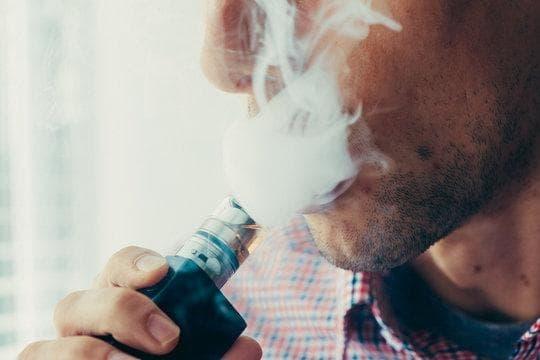
Below are a few practical frequently asked questions that often arise when people research what is in electronic cigarettes and the broader implications of using E-Zigaretten.
FAQ
- Q: Are all e-liquids essentially the same?
- A: No. Ingredients, nicotine format and strength, flavoring chemicals, and manufacturing quality vary widely. Differences in solvents (PG vs VG), nicotine form (salt vs freebase), and the presence of undeclared additives or contaminants make product selection important.
- Q: Can vaping help smokers quit conventional cigarettes?
- A: For some adult smokers, switching completely to regulated e-cigarettes can reduce exposure to combustion by-products. However, long-term benefits and risks are still under study, and other evidence-based cessation aids should be considered. Consulting a healthcare provider is recommended.
- Q: What should parents know about youth use?
- A: Youth nicotine exposure harms developing brains and increases the risk of addiction. Flavored products are particularly appealing to young people. Preventing youth access, educating teens, and using parental controls or safe storage are important.
- Q: How can I tell if an e-liquid is low quality or dangerous?
- A: Red flags include lack of ingredient disclosure, no manufacturer contact or lot information, unusually low price from unverified sellers, and products sold without child-resistant packaging. Steer clear of suspicious or homemade cartridges, especially those containing THC obtained through informal channels.
End of guide. This article provided an evidence-focused overview that addresses both practical and chemical questions about vaping, including the core issues people ask when searching for E-Zigaretten or trying to learn what is in electronic cigarettes. For personal medical advice, however, consult a clinician.